




FAQ: How often should a cleanroom be renovated?
How often should a cleanroom be renovated? Learn when to evaluate, upgrade, or replace cleanroom equipment when the system deteriorates, fails to meet standards, or no longer fits production needs.
- How often should a cleanroom be renovated?
- What are the signs that a cleanroom needs renovation?
- Does a cleanroom need periodic renovation?
- What is the difference between cleanroom renovation and cleanroom maintenance?
- Is cleanroom renovation required when changing the product being manufactured?
- If a cleanroom fails cleanliness testing, does it need renovation?
- Will cleanroom renovation affect production?
- Which components are commonly replaced or added during cleanroom renovation?
- Does equipment need to be checked again after cleanroom renovation?
- Does VCR provide cleanroom renovation services?
How often should a cleanroom be renovated?
There is no fixed timeline that applies to every cleanroom, because the right time for renovation depends on operating conditions, applicable standards, production industry, and the level of system deterioration. In general, a cleanroom should be evaluated periodically to determine whether it can still maintain key parameters such as cleanliness class, pressure differential, temperature, humidity, airflow rate, and filtration performance. If the system no longer meets production requirements or GMP expectations, the business should consider renovating, upgrading, or replacing components that are no longer suitable. VCR does not directly carry out cleanroom renovation work, but provides the necessary cleanroom equipment for contractors and installation companies during renovation or system upgrade projects.
What are the signs that a cleanroom needs renovation?
A cleanroom may need renovation when there are signs such as unstable pressure differential, failed cleanliness testing results, HEPA filters clogging quickly, inefficient HVAC operation, peeling flooring, open gaps in wall panels, doors that do not seal properly, or frequent dust generation in production areas. In addition, if a factory changes its product, increases production capacity, or modifies its manufacturing process, the existing cleanroom layout may no longer be suitable. These signs indicate that some cleanroom components may have deteriorated or may no longer meet operational requirements. VCR supplies cleanroom equipment such as Pass Boxes, Air Showers, FFUs, HEPA Boxes, cleanroom doors, cleanroom lights, interlock systems, and differential pressure gauges to support contractors in replacement, addition, or upgrade works during renovation projects.
Does a cleanroom need periodic renovation?
A cleanroom does not necessarily need to be renovated on a fixed cycle, but it should be inspected, maintained, and evaluated regularly to detect operational issues early. Renovation should only be considered when there is a clear basis, such as failure to meet standards, equipment deterioration, unsuitable layout, or changes in production requirements. If the cleanroom is still operating stably and testing results remain compliant, the business may prioritize maintenance or replacement of individual devices instead of a major renovation. VCR supports contractors and operating teams by supplying cleanroom equipment when old, damaged, or unsuitable components need to be replaced.
What is the difference between cleanroom renovation and cleanroom maintenance?
Cleanroom maintenance usually focuses on inspecting, cleaning, replacing, or repairing existing components such as HEPA filters, fans, differential pressure gauges, doors, gaskets, lights, and control systems. Cleanroom renovation has a broader scope and may include layout changes, HVAC upgrades, panel replacement, floor renovation, equipment additions, cleanliness class adjustment, or system upgrades to meet new standards. In other words, maintenance helps the system continue operating reliably, while renovation helps the cleanroom better match current production requirements. VCR does not provide turnkey renovation services, but supplies cleanroom equipment for maintenance, replacement, and upgrade projects carried out by contractors.
Is cleanroom renovation required when changing the product being manufactured?
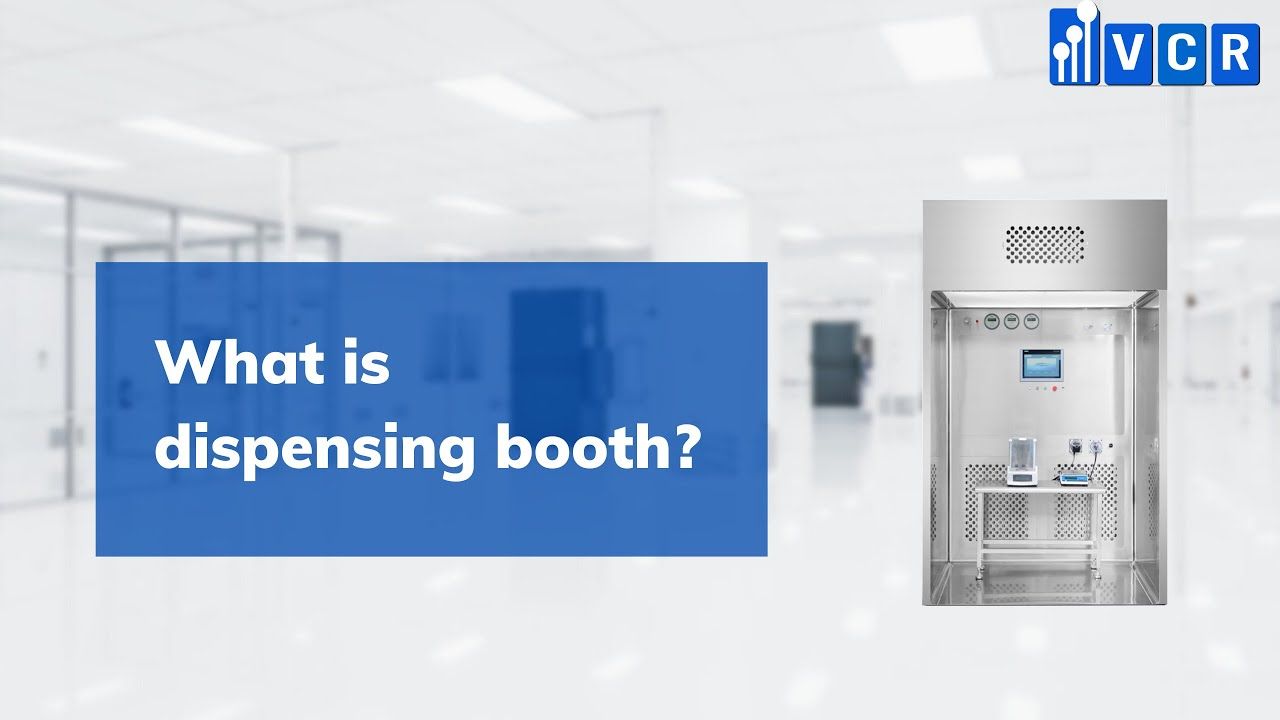
When changing the product being manufactured, the business should reassess the cleanroom to determine whether the existing system remains suitable. Different products may have different requirements for cleanliness class, cross-contamination control, temperature, humidity, personnel flow, material flow, and cleaning procedures. If the new product has stricter requirements or a higher contamination risk, the cleanroom may need layout adjustment, HVAC upgrades, additional airlocks, pass boxes, dispensing booths, or pressure control devices. VCR supplies cleanroom equipment based on technical requirements so contractors or installation companies can integrate it into the system during renovation, expansion, or factory upgrade projects.
If a cleanroom fails cleanliness testing, does it need renovation?
If a cleanroom fails cleanliness testing, the business should not immediately renovate the entire system without first identifying the root cause. The issue may come from HEPA filter leakage, insufficient airflow, room leakage, improper cleaning, dust-generating equipment, or an unsuitable movement flow. If the cause is limited to a specific component, repair, filter replacement, or equipment replacement may be enough to restore performance. However, if the issue is systemic or repeated, cleanroom renovation should be assessed by a qualified contractor. VCR can supply equipment such as HEPA Boxes, FFUs, HEPA filters, differential pressure gauges, Pass Boxes, and Air Showers to support upgrading or replacement based on the contractor’s solution.
Will cleanroom renovation affect production?
Cleanroom renovation may affect production if it is not carefully planned. Activities such as panel removal and installation, floor renovation, HVAC upgrading, ductwork modification, or equipment addition may require partial or full shutdown of the production area. Therefore, the business and contractor should plan renovation in phases, separate construction zones, control dust, and prepare an acceptance plan before restarting operation. In these projects, VCR serves as a supplier of cleanroom equipment according to project schedules, helping contractors access compatible equipment for replacement or new installation work.
Which components are commonly replaced or added during cleanroom renovation?
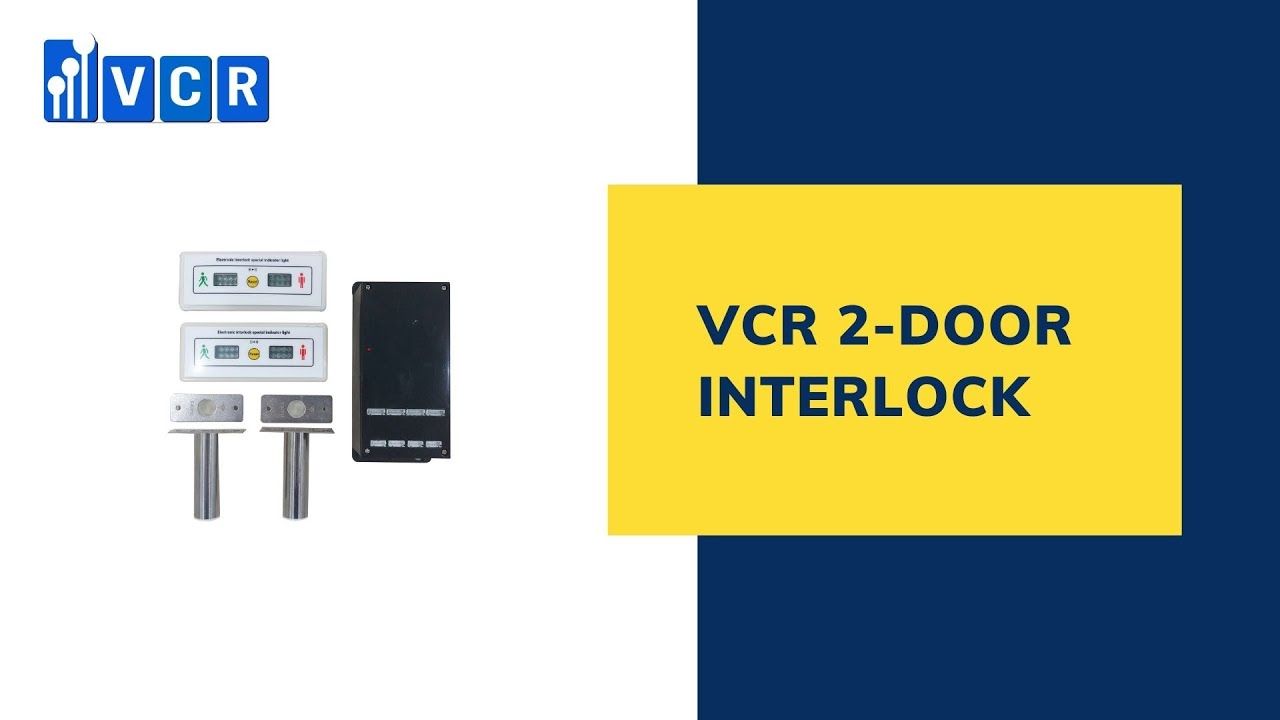
Common components replaced or added during cleanroom renovation include cleanroom doors, interlock systems, Pass Boxes, Air Showers, FFUs, HEPA Boxes, HEPA filters, cleanroom lights, differential pressure gauges, air diffusers, dust control equipment, and other cleanroom accessories. Depending on the actual condition, contractors may also propose renovating wall panels, ceilings, flooring, ductwork, AHUs, or control systems. Equipment selection should match the cleanliness class, layout, personnel flow, material flow, and operating requirements of each area. VCR supplies cleanroom equipment to contractors, installation companies, and project owners who need replacement, addition, or upgrade equipment during cleanroom renovation projects.
Does equipment need to be checked again after cleanroom renovation?
After cleanroom renovation, the business usually needs to inspect, accept, or requalify important parameters before resuming operation. These may include cleanliness class, pressure differential, airflow rate, air velocity, room tightness, temperature, humidity, noise level, lighting, and HEPA filter performance, depending on industry requirements. For equipment such as Pass Boxes, Air Showers, FFUs, HEPA Boxes, or interlock systems, actual operation should be checked to ensure each device functions correctly. VCR supplies cleanroom equipment according to technical requirements, giving contractors a suitable product basis for installation and acceptance work.
Does VCR provide cleanroom renovation services?
VCR does not provide turnkey cleanroom renovation services and does not directly carry out cleanroom system renovation work. VCR’s role is to supply cleanroom equipment to contractors, installation companies, maintenance teams, or project owners who need to replace, add, or upgrade equipment during renovation projects. Products VCR can provide include Pass Boxes, Air Showers, FFUs, HEPA Boxes, HEPA filters, cleanroom doors, interlock systems, differential pressure gauges, cleanroom lights, and many other devices that support contamination control. With experience in cleanroom equipment, VCR supports customers in selecting devices that match technical requirements, layout, and the intended use of each project.
Dong Anh VCR