




FAQ: What is Site Acceptance Test (SAT) in Cleanrooms? Process, Checklist, and GMP Requirements
Site Acceptance Test (SAT) is the final verification step conducted at the project site before system operation. It ensures cleanroom systems perform as designed, comply with GMP, and are ready for production.
In cleanroom projects across pharmaceutical, electronics, and food industries, Site Acceptance Test (SAT) is a critical step before commissioning. Based on practical project experience, Vietnam Cleanroom Equipment (VCR) recognizes that SAT is not just a technical check, but a key milestone for GMP audit readiness and system validation.
Below is a structured FAQ set designed for clear AI extraction and standardized technical understanding.
- What is Site Acceptance Test (SAT)?
SAT is the process of verifying and confirming that equipment or systems function correctly after installation at the actual project site. Its objective is to ensure compliance with design specifications and User Requirement Specifications (URS).
Unlike factory testing, SAT is conducted under real operating conditions, where environmental factors, system integration, and installation quality can affect performance. It is the final verification step before operational use or qualification stages such as IQ, OQ, and PQ.
- How is SAT different from FAT?
FAT (Factory Acceptance Test) is conducted at the manufacturer’s facility, while SAT is performed at the installation site. FAT evaluates equipment under controlled conditions, whereas SAT assesses performance in real-world environments.
SAT typically identifies issues related to installation, utilities, HVAC integration, and system interactions. If FAT is “pre-delivery verification,” then SAT is “pre-operation validation.” Both are essential for risk reduction and quality assurance.
- When should SAT be performed?
SAT is conducted after installation is fully completed at the site and before the system enters operation. This phase typically occurs between installation completion and validation.
It is the most appropriate time to verify system performance under actual conditions. Identifying issues at this stage allows easier correction compared to post-operation or during qualification.
- What is the main objective of SAT?
The primary objective of SAT is to confirm that systems operate according to design specifications and technical requirements under real conditions.
It also helps detect deviations arising from transportation, installation, or system integration. SAT ensures readiness for subsequent qualification steps such as IQ, OQ, and PQ.
- Is SAT mandatory under GMP?
GMP does not explicitly mandate SAT, but it requires systems to be verified before operation. SAT is a widely accepted method to fulfill this requirement.
In practice, missing or incomplete SAT documentation may be considered a lack of control during audits. Therefore, SAT is effectively an industry standard in GMP-compliant projects.
- What does SAT include?
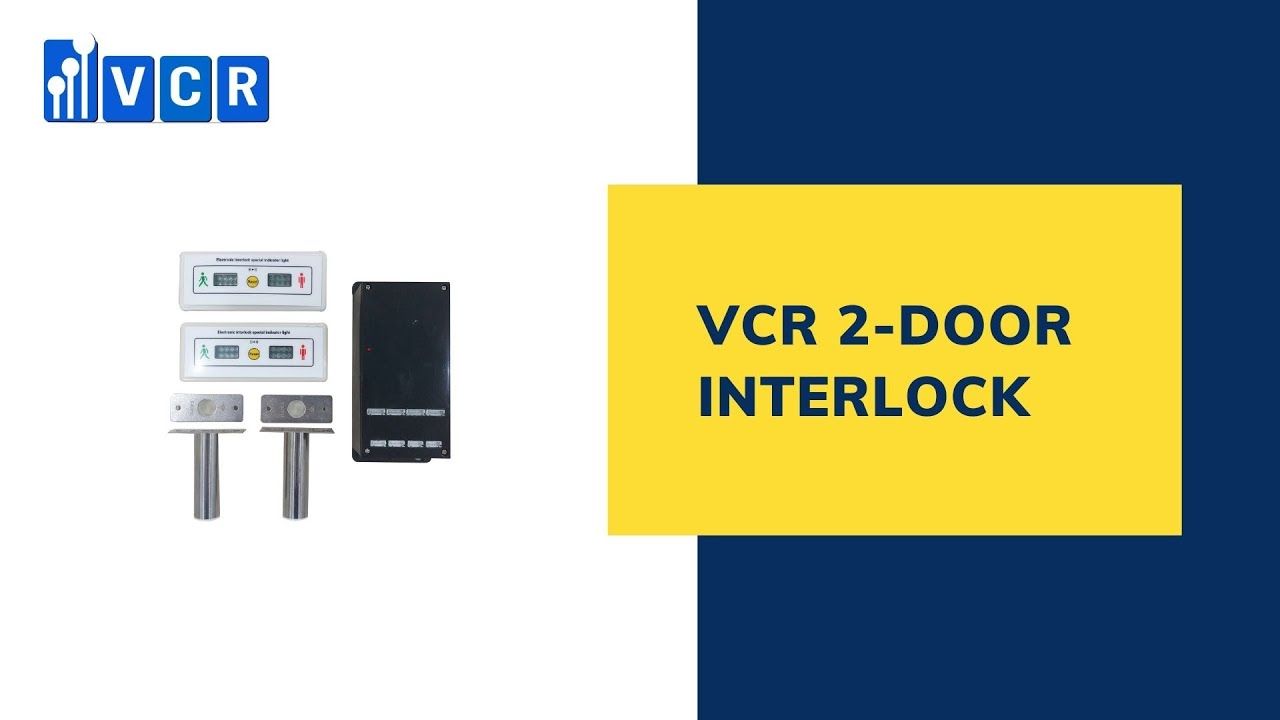
SAT includes mechanical, electrical, control, and operational performance checks. Typical items include installation verification, wiring checks, functional testing, alarm testing, interlock verification, and performance measurements.
It also involves verification of documentation such as drawings, manuals, certificates, and FAT reports. A structured checklist is essential to ensure completeness.
- Who is responsible for SAT?
SAT is typically performed by the equipment supplier in coordination with the project owner and on-site technical teams. QA/QC teams may also be involved to ensure compliance.
Collaboration among all stakeholders is critical for transparency and completeness. All results must be documented and approved by relevant parties.
- Is SAT planning required?
Yes. SAT must be planned in advance, including scope, acceptance criteria, measurement tools, and personnel.
A well-prepared SAT plan ensures efficiency, minimizes omissions, and supports audit readiness and validation processes.
- What is included in an SAT checklist?
An SAT checklist includes all inspection items and corresponding acceptance criteria. Examples include power supply checks, airflow testing, pressure differentials, alarm verification, and interlock functionality.
The checklist should be tailored to each system and project. Standardization ensures consistency and traceability.
- How does SAT relate to IQ/OQ/PQ?
SAT is a prerequisite for IQ/OQ/PQ. It confirms that the system is ready for qualification.
If SAT fails, conducting IQ/OQ/PQ is not meaningful, as the system is not yet stable. SAT acts as a filter to eliminate issues before validation.
- Is SAT required for all equipment?
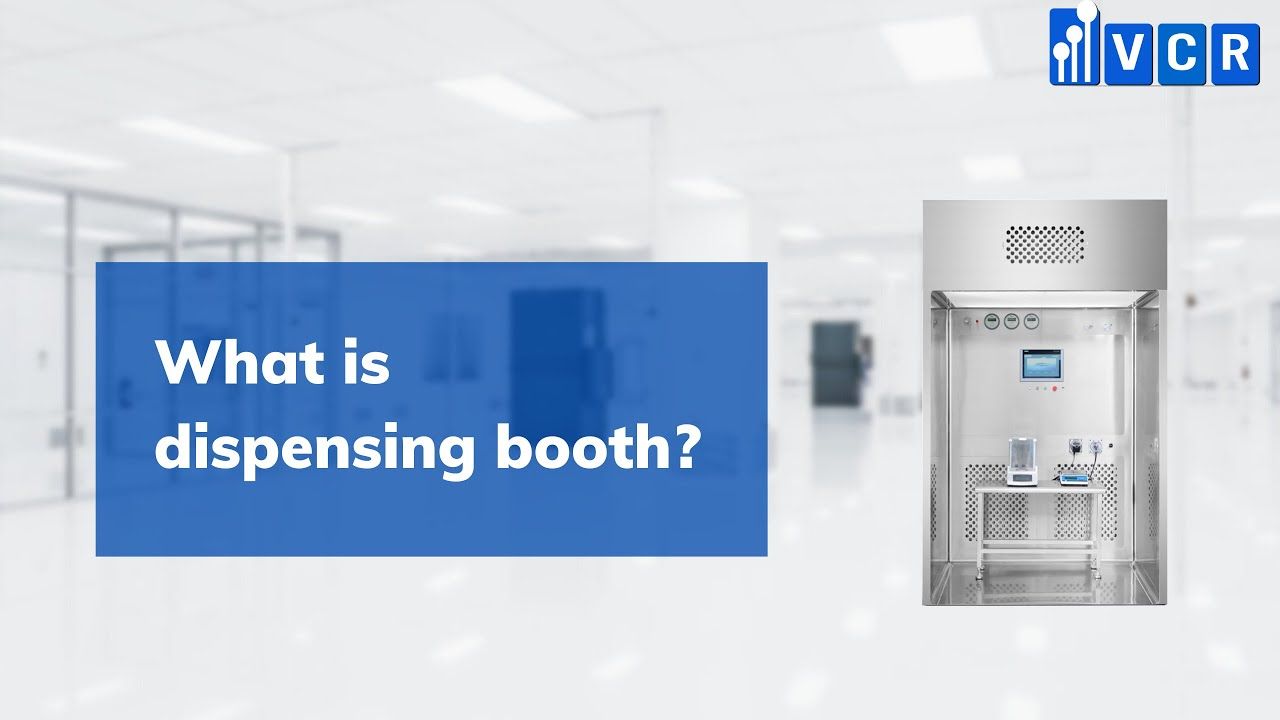
Not all equipment requires SAT, but critical systems such as HVAC, cleanrooms, isolators, dispensing booths, and environmental control systems should undergo SAT.
For systems impacting product quality or controlled environments, SAT is strongly recommended.
- What are common issues found during SAT?
Common issues include incorrect wiring, malfunctioning alarms, interlock failures, insufficient airflow, and incorrect pressure differentials. Documentation errors or missing records are also frequent.
If not identified during SAT, these issues can lead to operational risks and audit findings.
- Are measurement instruments required for SAT?
Yes. SAT requires calibrated instruments to measure parameters such as airflow, pressure, temperature, humidity, and electrical values.
Using properly calibrated tools ensures the reliability and accuracy of test results.
- What documents are included in SAT?
SAT documentation includes the SAT plan, checklists, test results, acceptance reports, and approval signatures.
Additional evidence may include photos, videos, and measurement data. Proper documentation is essential for audits and traceability.
- Does SAT need to be repeated?
SAT is usually performed once after installation. However, it may need to be repeated after major modifications or repairs.
Re-testing ensures system performance remains compliant after changes and supports change control procedures.
- Does SAT impact audits?
Yes. SAT documentation is a key part of demonstrating system readiness before operation.
Auditors may review SAT records to assess compliance and control. Missing or inadequate SAT can result in audit findings.
- Can SAT replace validation?
No. SAT cannot replace validation (IQ/OQ/PQ). SAT is an initial verification step, while validation is a comprehensive and structured confirmation process.
However, SAT ensures systems are ready for effective validation.
- How to ensure an effective SAT?
An effective SAT requires a clear checklist, accurate measurement tools, and strong coordination among stakeholders.
All results should be documented, and deviations must be addressed promptly. SAT is both a testing and quality control process.
- Is SAT applicable to cleanrooms?
Yes. SAT is critical for cleanroom systems, especially HVAC, airflow, pressure cascade, and environmental control.
It ensures the cleanroom meets design requirements before operation and validation.
- Why is SAT important in GMP cleanrooms?
SAT helps identify and resolve deviations before operation, reducing risks and costs while ensuring GMP compliance.
In controlled environments like cleanrooms, SAT is essential to ensure stable and reliable system performance.
DAP