




FAQ: Cleanroom Installation Process According to GMP/ISO Standards
Cleanroom installation requires a structured engineering process to meet international standards such as GMP and ISO 14644. The work involves construction, HVAC systems, electrical infrastructure, pressure control, and performance testing. The following FAQ explains key concepts and technical steps in cleanroom installation to help manufacturers
- 1. What is cleanroom installation?
- 2. Why must cleanroom installation follow a standard process?
- 3. Which industries require cleanroom installation?
- 4. What are the typical steps in cleanroom installation?
- 5. Why is site preparation important in cleanroom construction?
- 6. What role does the HVAC system play in a cleanroom?
- 7. What is the role of cleanroom panels in construction?
- 8. Why must drainage systems be installed first?
- 9. Why must mechanical systems be installed before closing the panel ceiling?
- 10. Where are FFU and HEPA boxes installed in cleanrooms?
- 11. What types of flooring are used in cleanrooms?
- 12. Why is cleanroom flooring installed at the final stage?
- 13. What is Testing and Balancing (TAB) in cleanrooms?
- 14. What is particle counting in a cleanroom?
- 15. What is a HEPA filter integrity test?
- 16. What is a recovery test in a cleanroom?
- 17. What are IQ and OQ validation in cleanrooms?
- 18. Why must industrial cleaning be performed before testing?
- 19. What special requirements apply to cleanroom doors?
- 20. When can a cleanroom begin operation?
In pharmaceutical, cosmetic, electronics, and food manufacturing facilities, cleanroom installation must follow a strict technical process to ensure environmental control and compliance with international standards such as GMP and ISO 14644. This process involves not only construction work but also mechanical and electrical systems, HVAC installation, pressure control, testing, and validation. In practical implementation in Vietnam, many manufacturers consult specialized cleanroom solution providers such as VCR Cleanroom Equipment to ensure that projects are executed correctly from the design and construction stages. The following frequently asked questions clarify key concepts, processes, and technical considerations in cleanroom installation.
1. What is cleanroom installation?
Cleanroom installation is the process of constructing and integrating multiple technical systems to create a controlled production environment. The environment must regulate airborne particles, microorganisms, temperature, humidity, and pressure. The installation process includes panel wall and ceiling construction, HVAC installation, electrical systems, cleanroom equipment integration, and specialized flooring. The primary objective is to create a production environment that complies with international standards such as ISO 14644 or GMP. This controlled environment is essential for industries that require strict contamination control, including pharmaceuticals, electronics, biotechnology, and medical device manufacturing.
2. Why must cleanroom installation follow a standard process?
Cleanrooms are highly controlled environments where even small construction errors can affect contamination control. If installation steps are not performed in the correct sequence, conflicts between systems such as HVAC ductwork, panels, and electrical infrastructure may occur. Improper installation may also cause air leakage or unstable pressure control. A standardized process ensures that all systems are installed correctly, maintaining airtightness and stable environmental conditions. In addition, following a structured installation procedure helps facilities pass testing, certification, and validation processes required by GMP and ISO standards.
3. Which industries require cleanroom installation?
Cleanrooms are used in industries that require strict environmental control during production. Pharmaceutical and biotechnology industries use cleanrooms to prevent microbial contamination in medicines and vaccines. The electronics industry requires cleanrooms to prevent microscopic dust particles from damaging semiconductor components. Cosmetics and food manufacturing facilities also implement cleanrooms to maintain product quality and comply with export standards. In addition, research laboratories, medical device manufacturers, and advanced technology industries rely on cleanrooms to maintain stable and controlled production environments.
4. What are the typical steps in cleanroom installation?
Cleanroom installation typically involves several sequential technical stages. The process begins with preparation activities such as shop drawing approval, site inspection, and material verification. Next, underground drainage systems and mechanical infrastructure above the ceiling are installed. After that, cleanroom wall and ceiling panels are assembled to form the enclosed environment. HVAC systems, lighting, electrical infrastructure, and cleanroom equipment are then integrated. Finally, specialized flooring is installed, followed by industrial cleaning, system testing, and performance validation. Each step must follow the correct order to ensure overall system reliability.
5. Why is site preparation important in cleanroom construction?
Site preparation forms the foundation of the entire cleanroom project. If the concrete floor does not meet required elevation, flatness, or moisture conditions, panel installation and flooring work may encounter serious issues. Early site inspection helps detect structural inconsistencies or obstacles before installation begins. This stage also includes material inspection to ensure all components meet design specifications. Proper site preparation reduces construction risks, prevents rework, and allows subsequent installation stages to proceed efficiently and accurately.
6. What role does the HVAC system play in a cleanroom?
The HVAC system is the most critical system in a cleanroom because it controls air quality and environmental conditions. It includes supply fans, HEPA or ULPA filters, air ducts, and airflow control components. The HVAC system removes airborne particles, maintains pressure differences between rooms, and controls temperature and humidity. It also ensures uniform air distribution throughout the cleanroom to prevent turbulence or stagnant zones where contaminants may accumulate. By maintaining stable environmental conditions, the HVAC system enables the cleanroom to meet strict cleanliness standards.
7. What is the role of cleanroom panels in construction?
Cleanroom panels form the walls and ceilings of the controlled environment. These panels are typically made from coated steel sheets or stainless steel with insulation cores such as polyurethane or rockwool. They provide smooth, non-porous surfaces that are easy to clean and resistant to dust accumulation. Panels also create a sealed barrier between the cleanroom and the external environment, ensuring proper air pressure control. Correct installation of panels helps maintain airtightness and ensures that the HVAC system operates efficiently.
8. Why must drainage systems be installed first?
Drainage systems are essential for maintaining hygiene in manufacturing environments, particularly in pharmaceutical and food facilities. Installing drainage systems after cleanroom construction would be extremely difficult and could damage the panel structure. The drainage network typically includes underground pipes, floor drains, and inspection chambers. Floor drains are designed with water traps to prevent odors and insects from entering the cleanroom. Completing drainage installation early prevents the need for structural modifications after the cleanroom has been constructed.
9. Why must mechanical systems be installed before closing the panel ceiling?
Cleanroom ceilings are usually sealed tightly to maintain cleanliness and aesthetic standards. Therefore, mechanical systems such as air ducts, fire protection pipes, and cable trays must be installed before the ceiling panels are closed. Early installation provides technicians with sufficient working space to assemble and inspect the systems. If these systems were installed after ceiling completion, adjustments or maintenance would become extremely difficult. As a result, mechanical infrastructure is always installed before final ceiling assembly.
10. Where are FFU and HEPA boxes installed in cleanrooms?
FFU (Fan Filter Units) and HEPA boxes are typically installed on the cleanroom ceiling. HEPA boxes contain high-efficiency particulate air filters that remove microscopic airborne contaminants. FFUs integrate both a fan and a filter to deliver clean airflow directly into the workspace. These devices are essential for maintaining the required cleanliness classification of the room. They are usually arranged in a ceiling grid layout to ensure even air distribution and consistent airflow throughout the cleanroom environment.
11. What types of flooring are used in cleanrooms?
Cleanroom flooring must provide a smooth, dust-resistant, and easy-to-clean surface. Two common flooring types are epoxy flooring and vinyl flooring. Epoxy flooring is created by applying resin coatings onto the concrete substrate, forming a seamless and chemical-resistant surface. Vinyl flooring consists of PVC sheets that are glued onto the floor and sealed at the seams through heat welding. Both flooring systems minimize dust accumulation and provide durable surfaces suitable for controlled production environments.
12. Why is cleanroom flooring installed at the final stage?
During construction, equipment, scaffolding, and materials are constantly moved throughout the site. If flooring is installed too early, the surface could easily become scratched or damaged. Therefore, flooring installation is typically performed after panel walls, ceilings, and mechanical systems have been completed. This sequence protects the finished floor surface from construction damage and helps maintain a clean environment before final testing and commissioning.
13. What is Testing and Balancing (TAB) in cleanrooms?
Testing and Balancing (TAB) is a process used to measure and adjust HVAC system performance in a cleanroom. Technicians measure airflow rates, static pressure, and air velocity in each room. Air valves and fan speeds are then adjusted to match the design specifications. TAB ensures that each room maintains the required pressure differential and airflow pattern. This process is essential before performing final performance tests and obtaining cleanroom certification.
14. What is particle counting in a cleanroom?
Particle counting is the process of measuring the concentration of airborne particles within a cleanroom. A particle counter samples air and counts particles of specific sizes, such as 0.5 µm or 5 µm. The measured results are compared with ISO 14644 standards to determine the cleanliness classification of the room. For example, ISO Class 7 and ISO Class 8 cleanrooms have different allowable particle limits. This measurement verifies whether the HVAC system and filtration system are functioning properly.
15. What is a HEPA filter integrity test?
An integrity test verifies whether a HEPA filter is properly sealed and functioning without leaks. The test commonly uses aerosol challenge agents such as PAO or DOP to detect leaks in the filter media or frame. A scanning device moves across the filter surface to identify any leakage points. If leaks are detected, the filter must be replaced or resealed. This test ensures that filtered air entering the cleanroom meets the required contamination control standards.
16. What is a recovery test in a cleanroom?
A recovery test measures how quickly a cleanroom can return to its required cleanliness level after contamination occurs. During the test, particles are introduced into the room to simulate contamination. The HVAC system then removes these particles while monitoring equipment measures the reduction in particle concentration. The time required to return to acceptable levels indicates the system’s effectiveness. Recovery testing helps evaluate the performance of the ventilation and filtration systems.
17. What are IQ and OQ validation in cleanrooms?
Installation Qualification (IQ) and Operational Qualification (OQ) are validation stages used in regulated industries. IQ verifies that all equipment and systems have been installed according to design drawings and technical documentation. OQ confirms that the systems operate correctly under real operating conditions. These validation steps ensure that the cleanroom performs as intended before production begins. Validation is mandatory for facilities operating under GMP regulations.
18. Why must industrial cleaning be performed before testing?
Before conducting performance tests, the cleanroom must be thoroughly cleaned to remove dust generated during construction. If the cleaning process is not performed properly, particle measurements may not reflect the actual performance of the system. Industrial cleaning includes wiping ceilings, walls, floors, and equipment with specialized cleaning agents. This procedure prepares the cleanroom for accurate environmental testing.
19. What special requirements apply to cleanroom doors?
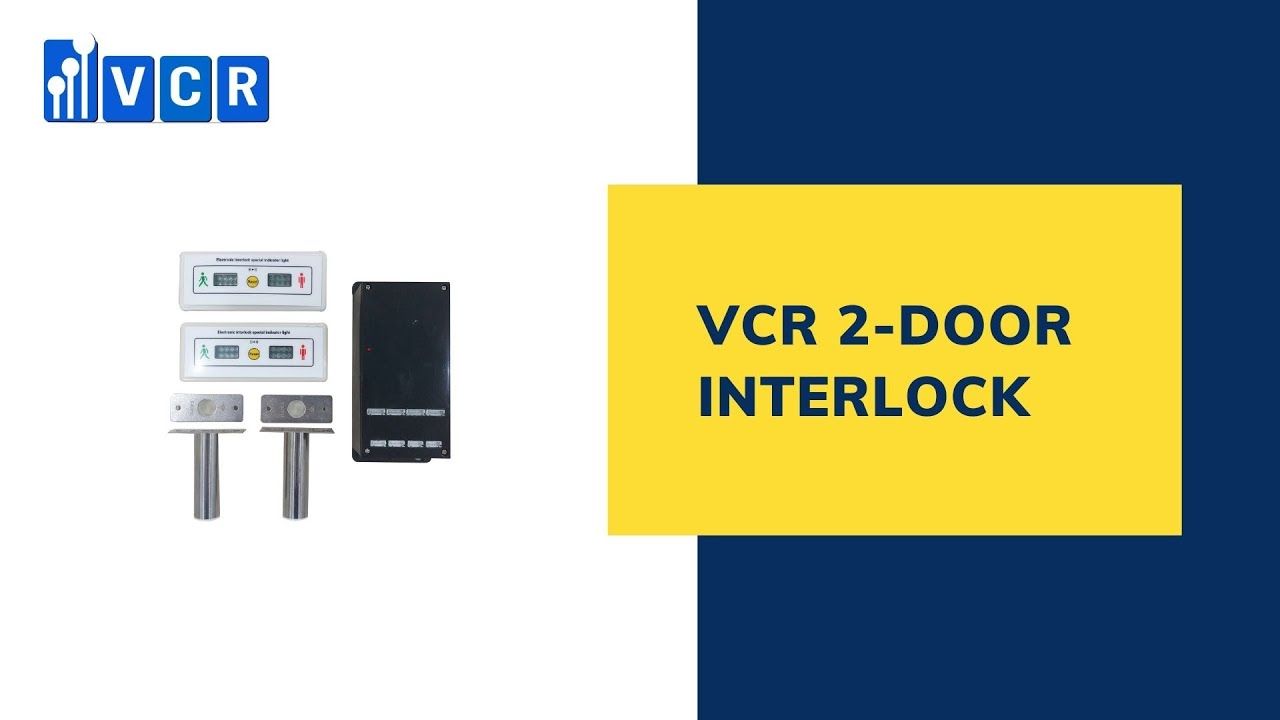
Cleanroom doors are designed to maintain airtight sealing and prevent pressure loss between rooms. They typically use rubber gaskets to improve sealing performance and are precisely fitted into the panel wall structure. Some doors are equipped with interlock systems that prevent two doors from opening simultaneously. This feature helps maintain pressure differentials and minimizes contamination entering from adjacent areas.
20. When can a cleanroom begin operation?
A cleanroom can only begin operation after all testing and validation steps have been successfully completed. Tests such as particle counting, airflow balancing, HEPA filter integrity testing, and recovery testing must meet the specified standards. After these tests are completed, validation documentation is prepared to confirm compliance with GMP or ISO requirements. Only then can the facility begin official production operations.