




FAQ: What is Factory Acceptance Test (FAT) for Mobile Laminar Airflow Unit?
Factory Acceptance Test (FAT) is a critical step before cleanroom equipment is delivered and installed. From the perspective of VCR cleanroom equipment, this article explains the FAT process, GMP requirements, and how to control risks before operation.
- What is FAT in cleanroom systems?
- What is a Mobile Laminar Airflow Unit?
- Why is FAT important in GMP?
- What is the difference between FAT and IQ/OQ/PQ?
- What does FAT typically include?
- What is included in documentation review during FAT?
- Why is calibration important in FAT?
- What should be checked in visual inspection?
- Why is dimensional verification important in FAT?
- What is included in electrical system verification?
- What should be tested in HMI?
- How is data integrity verified in FAT?
- Why is user access control important?
- What alarms need to be tested?
- What is included in basic operational testing?
- What is deviation in FAT?
- Is change control required during FAT?
- When is FAT considered successful?
- What is the role of FAT in GMP audits?
- How does FAT reduce risk?
The following content is compiled from real FAT practices and documentation, helping readers understand equipment verification in GMP environments in a structured and practical way.
What is FAT in cleanroom systems?
Factory Acceptance Test (FAT) is the process of verifying equipment at the manufacturer’s facility before shipment. The goal is to ensure the equipment meets User Requirement Specifications (URS), quality standards, and GMP regulations. FAT helps detect issues early, reducing risks during installation and operation. It also serves as a foundation for IQ/OQ/PQ validation stages and provides documented evidence for audits.
What is a Mobile Laminar Airflow Unit?
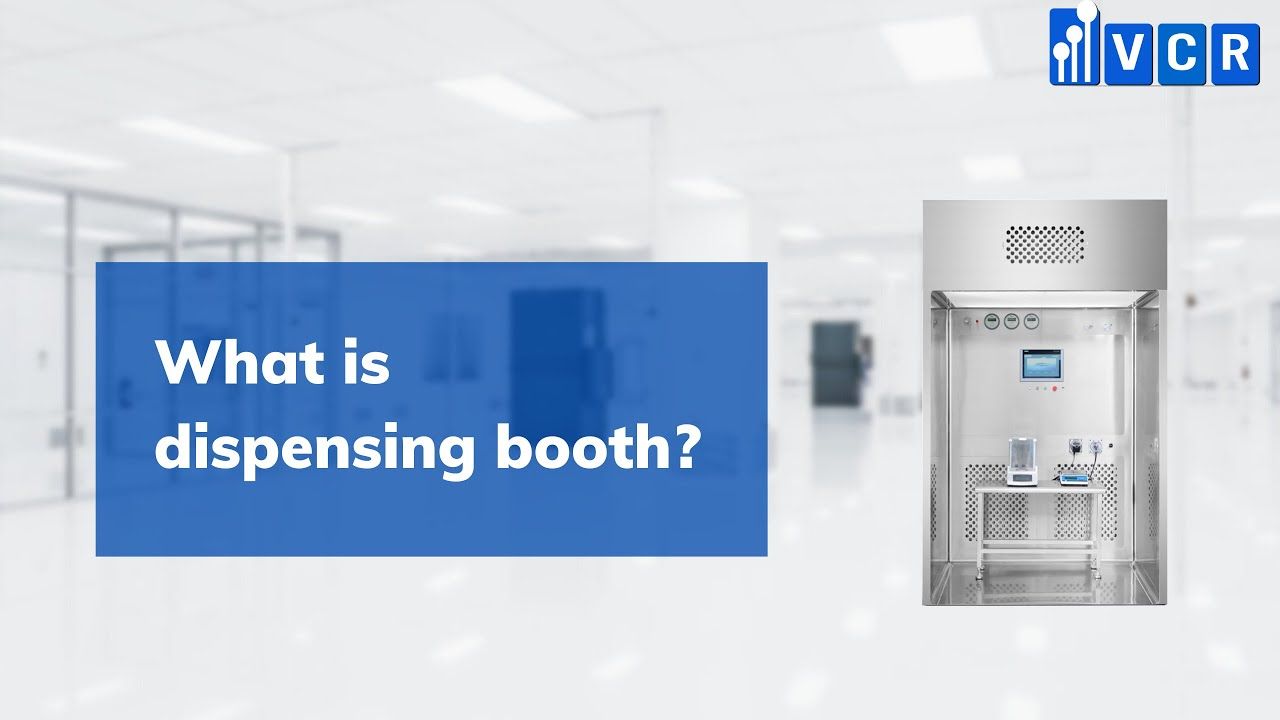
A Mobile Laminar Airflow Unit is a device that creates a localized clean air zone with unidirectional airflow. It is commonly used in sterile environments such as pharmaceutical, medical, and biotech applications. The system typically includes a fan, HEPA filter, pre-filter, and control system. Its main function is to prevent contamination and protect products during operations.
Why is FAT important in GMP?
FAT ensures that equipment complies with GMP requirements before installation. Detecting issues at the factory is significantly more cost-effective than fixing them on-site. Additionally, FAT provides documented proof that the equipment has been tested, supporting QA/QC during audits and regulatory inspections.
What is the difference between FAT and IQ/OQ/PQ?
FAT is performed at the manufacturer’s site, while IQ/OQ/PQ are conducted at the installation site. FAT focuses on verifying configuration and basic functionality, whereas IQ/OQ/PQ evaluate performance under real operating conditions. Together, they form a continuous validation lifecycle.
What does FAT typically include?
FAT includes multiple categories of testing such as documentation review, hardware inspection, software verification, system control, and operational testing. It also covers alarm testing, user access control, and data integrity. Each test has defined pass/fail criteria to ensure traceability and compliance.
What is included in documentation review during FAT?
Documentation review includes drawings, electrical diagrams, manuals, and material certificates. The objective is to ensure that all documents are complete, up-to-date, and consistent with the actual equipment. This is essential for GMP audits, as documentation serves as legal and technical evidence.
Why is calibration important in FAT?
Calibration ensures that measuring instruments such as pressure sensors and airflow sensors provide accurate readings. If measurement devices are inaccurate, all test results become unreliable. Therefore, all instruments must have valid calibration certificates before FAT.
What should be checked in visual inspection?
Equipment must be constructed from appropriate materials such as SUS304 stainless steel, with smooth surfaces free from scratches or corrosion. Surface roughness is typically required to be ≤ 0.8 µm. Labels, welds, and overall finishing must also meet cleanroom standards.
Why is dimensional verification important in FAT?
Equipment dimensions must match design specifications, usually within a tolerance of ±5 mm. Deviations can affect installation and airflow performance. Therefore, physical measurements and verification against drawings are essential.
What is included in electrical system verification?
This includes checking wiring, terminals, electrical diagrams, and safety features. All components must match the design documentation. Any discrepancies must be recorded as deviations and addressed accordingly.
What should be tested in HMI?
The Human Machine Interface (HMI) must display all necessary functions, including alarms, trends, and parameters. Operators must be able to interact with all functions easily. Since HMI is the main interface, usability and accuracy are critical.
How is data integrity verified in FAT?
Data integrity checks include user account management, password control, role-based access, and automatic logout. Each user must have a unique account. These requirements align with FDA 21 CFR Part 11 regulations.
Why is user access control important?
User roles are typically divided into Operator, Engineer, and Admin. Each role has different access levels to prevent unauthorized or incorrect operations. This is a key requirement in GMP environments.
What alarms need to be tested?
Critical alarms include fan failure, high/low pressure, and airflow velocity deviations. FAT must simulate these conditions to verify system response. Alarms must be accurate and triggered in a timely manner.
What is included in basic operational testing?
Basic operational tests include start/stop functions, emergency stop, and power failure simulation. These tests ensure safe operation under all conditions, especially in critical environments.
What is deviation in FAT?
Deviation refers to any discrepancy from the original requirements. It can be classified as critical or non-critical. All deviations must be documented, evaluated, and resolved before FAT approval.
Is change control required during FAT?
Yes, any changes during FAT must be controlled. Changes must be assessed for impact and approved to ensure GMP compliance and system consistency.
When is FAT considered successful?
FAT is considered successful when all tests pass or all deviations have been properly addressed and approved. Any unresolved critical issues will result in FAT failure.
What is the role of FAT in GMP audits?
FAT serves as critical documentation proving that equipment has been thoroughly tested before use. It is commonly requested by auditors as part of compliance verification.
How does FAT reduce risk?
FAT helps identify issues early at the manufacturing stage, reducing repair costs and minimizing downtime. It ensures that equipment operates correctly from the beginning, improving reliability and compliance.
DAP