In pharmaceutical, food, or medical device manufacturing facilities, equipment and system qualification is a critical requirement to ensure compliance with standards such as GMP or ISO. The qualification process typically includes three main stages: Installation Qualification (IQ), Operational Qualification (OQ), and Performance Qualification (PQ). These three steps confirm that equipment is installed correctly, operates according to design, and performs consistently under intended operating conditions. In practical cleanroom and technical equipment implementation, many companies in Vietnam apply this qualification process to systems such as HVAC, pass boxes, air showers, and HEPA filtration units. Solution providers such as VCR Cleanroom Equipment also often assist clients in preparing documentation and technical conditions to support the qualification process. The following frequently asked questions clarify the concept and role of IQ/OQ/PQ.
1. What is IQ/OQ/PQ qualification?
IQ/OQ/PQ qualification is a process used to confirm that equipment or manufacturing systems are installed, operated, and performing according to design requirements. This process is widely applied in industries with strict quality control requirements such as pharmaceuticals, medical devices, and food production. IQ verifies that the equipment installation matches the design drawings and technical documentation. OQ checks whether the equipment operates correctly within defined operating parameters. PQ evaluates whether the system can perform consistently and reliably under real production conditions.
2. What is Installation Qualification (IQ)?
Installation Qualification (IQ) is the first stage of equipment qualification. The purpose of IQ is to confirm that equipment has been installed according to approved design specifications, technical drawings, and manufacturer requirements. During this stage, elements such as materials, electrical connections, control systems, and technical documentation are inspected and verified. IQ ensures that the equipment installation is correct and complete before further operational testing begins.
3. What is Operational Qualification (OQ)?
Operational Qualification (OQ) is the stage used to verify that equipment operates according to its design specifications. During OQ testing, the equipment is evaluated to confirm that functions and operating parameters meet technical requirements. Tests may include checking sensors, control systems, fan speeds, airflow rates, or pressure levels. OQ confirms that the equipment can operate properly before it is used in actual production.
4. What is Performance Qualification (PQ)?
Performance Qualification (PQ) is the final stage of the qualification process. The objective of PQ is to confirm that the equipment or system performs consistently under real production conditions. During PQ testing, the system is evaluated while operating in actual or simulated production environments. The results demonstrate that the system can support manufacturing processes reliably while maintaining required quality standards.
5. Why is IQ/OQ/PQ qualification necessary?
IQ/OQ/PQ qualification ensures that equipment and manufacturing systems operate according to their intended design and quality requirements. In industries such as pharmaceuticals and food production, the manufacturing environment must be tightly controlled to minimize risks that could affect product quality. Qualification helps detect technical issues early and confirms that equipment performs reliably before production begins.
6. Which systems require IQ/OQ/PQ qualification?
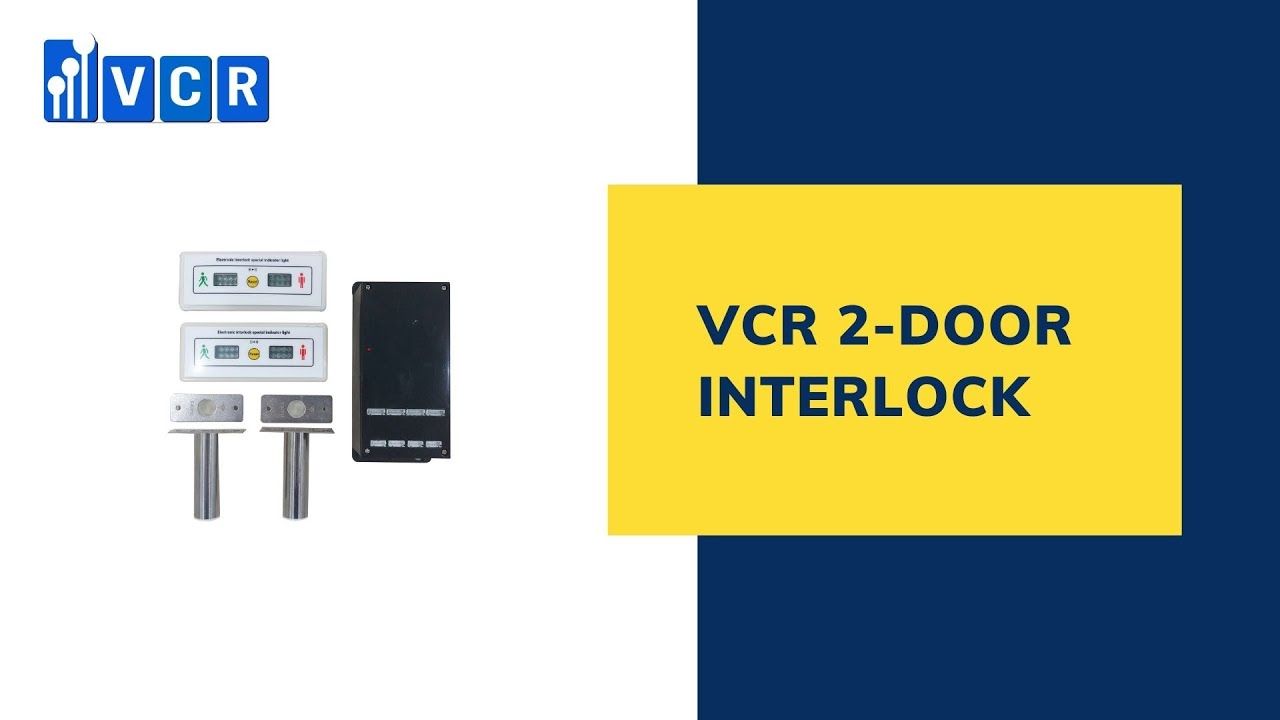
IQ/OQ/PQ qualification is commonly applied to various systems within manufacturing facilities. These include cleanroom HVAC systems, air handling units, HEPA filtration systems, production equipment, and purified water systems. Cleanroom equipment such as pass boxes, air showers, and interlock systems may also require qualification to ensure compliance with technical and regulatory requirements.
7. Who is responsible for performing IQ/OQ/PQ?
The qualification process is typically carried out by the facility’s engineering team and quality assurance department. In many cases, equipment suppliers or technical consultants also support the qualification process. Collaboration between these parties ensures that qualification testing is performed correctly and according to applicable standards.
8. What documentation is included in IQ/OQ/PQ qualification?
Qualification documentation generally includes design drawings, equipment specifications, test protocols, and inspection results. These documents provide evidence that the equipment has been installed and operated according to requirements. Qualification records may also include test reports, validation results, and approval signatures from responsible personnel.
9. Is IQ/OQ/PQ required under GMP regulations?
Yes. In pharmaceutical manufacturing systems, IQ/OQ/PQ qualification is an important requirement under GMP regulations. Regulatory authorities require manufacturers to demonstrate that equipment and production systems function correctly before being used in manufacturing processes. Qualification helps ensure regulatory compliance and increases confidence in system reliability.
10. How is HVAC qualification performed in cleanrooms?
Cleanroom HVAC qualification typically involves the three stages of IQ, OQ, and PQ. During IQ, the system installation, materials, and connections are verified. During OQ, parameters such as airflow rate, pressure differentials, and temperature are tested. Finally, PQ evaluates whether the system can maintain stable cleanroom environmental conditions during normal operation.
11. Is HEPA filter testing required during cleanroom equipment qualification?
Yes. HEPA filters are critical components of cleanroom systems and are commonly tested during qualification. Tests such as leak testing or filtration efficiency verification may be performed to confirm proper filter performance. These tests ensure that the cleanroom environment maintains the required level of air cleanliness.
12. What is the difference between IQ, OQ, and PQ?
IQ, OQ, and PQ represent three different stages of equipment qualification. IQ focuses on verifying correct installation. OQ verifies that the equipment operates according to design specifications. PQ evaluates the system’s performance under real production conditions. Together, these stages ensure that the system functions reliably and consistently.
13. When is requalification required?
Requalification may be required when significant changes occur in equipment or system configuration. Examples include equipment upgrades, changes in production processes, or modifications to HVAC systems. Requalification confirms that the system still meets technical and regulatory requirements after such changes.
14. How does qualification relate to quality control?
Qualification is an essential part of a facility’s quality management system. It ensures that equipment and manufacturing processes operate consistently and according to design specifications. By verifying system performance, qualification helps reduce risks that could impact product quality.
15. Does PQ need to be performed under real production conditions?
In many cases, PQ is performed under real production conditions or conditions that closely simulate actual manufacturing. The objective of PQ is to demonstrate that the system can maintain stable performance over time. PQ results often serve as evidence during regulatory inspections or quality audits.
16. Can qualification help detect equipment issues?
Yes. One of the purposes of qualification is to identify technical issues before equipment is placed into full operation. If installation or operational problems exist, testing during IQ or OQ stages can help detect them early so corrective actions can be taken.
17. Is data recording required during qualification?
Yes. All test results and verification activities must be carefully documented during the qualification process. These records demonstrate that qualification was performed properly and can be reviewed during inspections or audits.
18. What is the role of equipment suppliers in qualification?
Equipment suppliers typically provide technical documentation, design drawings, and operating instructions needed for qualification. In some cases, they may also assist in testing or verifying equipment performance. Their support can help ensure that the qualification process is completed efficiently and correctly.
19. Does qualification help prepare for GMP audits?
Yes. IQ/OQ/PQ qualification documentation is often reviewed during GMP inspections. Having complete and well-organized qualification records demonstrates that the facility has properly controlled its equipment and manufacturing systems.
20. Why are IQ/OQ/PQ the foundation of quality systems?
IQ/OQ/PQ qualification forms the foundation of a manufacturing quality system because it verifies that equipment and systems function correctly before production begins. When equipment is properly qualified, the risk of production failures is significantly reduced. This ensures that products are manufactured in a controlled environment that meets quality and regulatory standards.