




Mistakes When Applying Pharmaceutical GMP to a Cosmetics Factory: Overdesign Risks and Increased Investment Costs
Applying GMP principles to a cosmetics factory is necessary to control raw materials, hygiene, production, storage, and finished-product quality. However, GMP compliance does not mean copying every cleanroom classification, HVAC configuration, qualification method, and facility-design requirement from a pharmaceutical plant.
- 1. Why Can Blindly Applying Pharmaceutical GMP to a Cosmetics Factory Be a Mistake?
- 2. How Are Cosmetics GMP and Pharmaceutical GMP Different?
- 3. Common Signs of Overdesign in a Cosmetics Factory
- 4. Risks of Selecting a Cleanliness Classification Higher Than Necessary
- 5. Mistakes When Designing HVAC Based on a Pharmaceutical Plant Model
- 6. Risks of Applying a Pharmaceutical Pressure Cascade Throughout the Cosmetics Factory
- 7. Overcomplicated Layout Design and Its Effect on Investment Cost
- 8. Selecting Overly Expensive Materials Without Adding Control Value
- 9. Overuse of HEPA Filters and Cleanroom Equipment in Low-Risk Areas
- 10. Excessive Monitoring, Alarm, and Qualification Requirements
- 11. Additional Costs Caused by Overdesign
- 12. Which Pharmaceutical GMP Principles Should Still Be Applied to Cosmetics Manufacturing?
- 13. How to Optimize a Cosmetics Factory While Still Meeting GMP Requirements
- 14. The Role of Equipment Suppliers in Preventing Overinvestment
- 15. FAQ: Applying Pharmaceutical GMP to a Cosmetics Factory
- 16. Conclusion
This is a common mistake during the early project-planning stage. Project owners may want to build a “high-standard” factory. Consultants may introduce excessive safety margins, while contractors may prefer higher technical specifications to reduce their future responsibility. The result is often a facility with too many cleanrooms, AHUs, HEPA filters, airlocks, sensors, and monitoring systems that provide little additional control value.
Overdesign does not only increase the initial capital expenditure. It also increases energy consumption, maintenance, calibration, filter replacement, operational staffing, documentation, and compliance costs throughout the facility’s life cycle. In many cases, a more complex system is harder to balance, harder to maintain, and less flexible when the manufacturer changes products or expands production.
The correct solution is not to lower quality requirements. It is to apply GMP through a risk-based approach. Every requirement related to cleanliness classification, HVAC, pressure differential, materials, and cleanroom equipment should be justified by the product, process, degree of product exposure, microbiological risk, cross-contamination risk, and target market.
1. Why Can Blindly Applying Pharmaceutical GMP to a Cosmetics Factory Be a Mistake?
Pharmaceutical plants and cosmetics factories both need to control quality, hygiene, personnel, materials, equipment, and the production environment. However, the product risks, routes of application, manufacturing processes, and regulatory requirements are not identical.
Medicinal products are used to prevent, diagnose, or treat disease, or to modify physiological functions. A small deviation in potency, sterility, cross-contamination, purity, or stability may directly affect treatment effectiveness and patient safety.
Cosmetics are generally applied externally to the body, including the skin, hair, nails, lips, teeth, and oral cavity, to clean, protect, perfume, or improve appearance. Cosmetics can still cause irritation, contamination, or consumer harm if manufactured incorrectly, but not every cosmetic product presents the same risk as a sterile medicine or a drug containing a highly potent active ingredient.
The mistake occurs when the project team fails to distinguish between applying GMP principles and duplicating the entire technical model of a pharmaceutical plant. For example, a factory manufacturing shampoo, shower gel, and hand wash may be required to install HEPA filtration throughout the facility, maintain multiple pressure cascades, and implement monitoring systems similar to those used in pharmaceutical production.
These requirements may provide limited benefit when most processes take place in closed mixing vessels, the formulations contain suitable preservative systems, and the risk of airborne contamination is relatively low.
Overdesign does not automatically produce higher quality. A high ISO Class does not compensate for weak cleaning procedures, an uncontrolled water system, poor raw-material management, or inadequate operator practices.
Conversely, a factory with appropriate zoning, controlled open-product operations, good sanitation, a properly managed water system, and well-designed personnel and material flows may achieve stable quality without reproducing every pharmaceutical cleanroom requirement.
2. How Are Cosmetics GMP and Pharmaceutical GMP Different?
GMP stands for Good Manufacturing Practice. GMP establishes principles to ensure that products are consistently manufactured and controlled according to their intended use and predefined quality requirements.
In pharmaceutical manufacturing, GMP strongly focuses on formulation accuracy, active-ingredient strength, purity, sterility, stability, contamination prevention, and traceability. Requirements are normally established according to the higher potential risk that medicines present to patients.
For sterile pharmaceutical products, all contamination sources from air, surfaces, personnel, equipment, and materials must be controlled rigorously. For medicines containing highly potent active ingredients, the facility must assess airborne dispersion, occupational exposure limits, containment, and the risk of contaminating other products.
Cosmetics GMP focuses on ensuring that products are manufactured under hygienic conditions using suitable raw materials, controlled formulas, clean equipment, complete documentation, and appropriate finished-product testing.
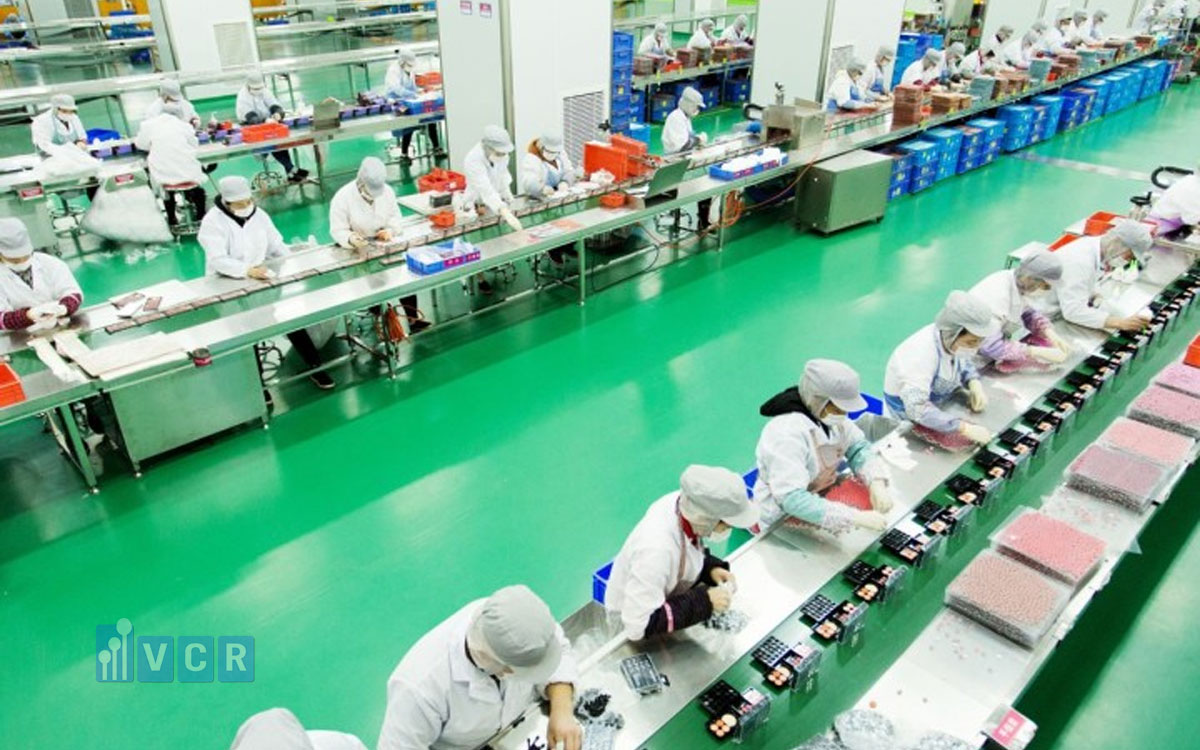
ISO 22716 provides guidelines for Good Manufacturing Practices for cosmetics. It covers personnel, premises, equipment, raw materials, production, finished products, quality control laboratories, out-of-specification products, waste, subcontracting, complaints, recalls, and documentation.
ISO 22716 does not require one fixed cleanroom classification for an entire cosmetics factory. Its main focus is the organization and control of manufacturing activities according to the characteristics of cosmetic products.
CGMP stands for Current Good Manufacturing Practice. The term emphasizes that manufacturers should use methods, systems, and equipment consistent with current technical knowledge, rather than relying on outdated minimum practices.
However, “current” does not mean using the most expensive configuration available. A simpler solution that controls risk effectively and is scientifically justified may be more appropriate than a highly complex system that is difficult to operate and maintain.
Important differences between pharmaceutical and cosmetics production include sterility requirements, microbiological risk, cross-contamination severity, active-ingredient potency, occupational exposure limits, and documentation expectations.
Most cosmetics are not manufactured as sterile products, although they still need to comply with microbiological limits. Certain products, such as eye-area cosmetics, baby products, water-rich formulations, or products with limited preservative content, may present higher microbiological risks and require stricter controls.
Useful pharmaceutical GMP principles such as change control, personnel training, material control, batch traceability, cleaning, and maintenance can still improve cosmetics manufacturing.
The key question is not whether these principles should be applied, but how extensively they should be applied and to which products, processes, and areas.
3. Common Signs of Overdesign in a Cosmetics Factory
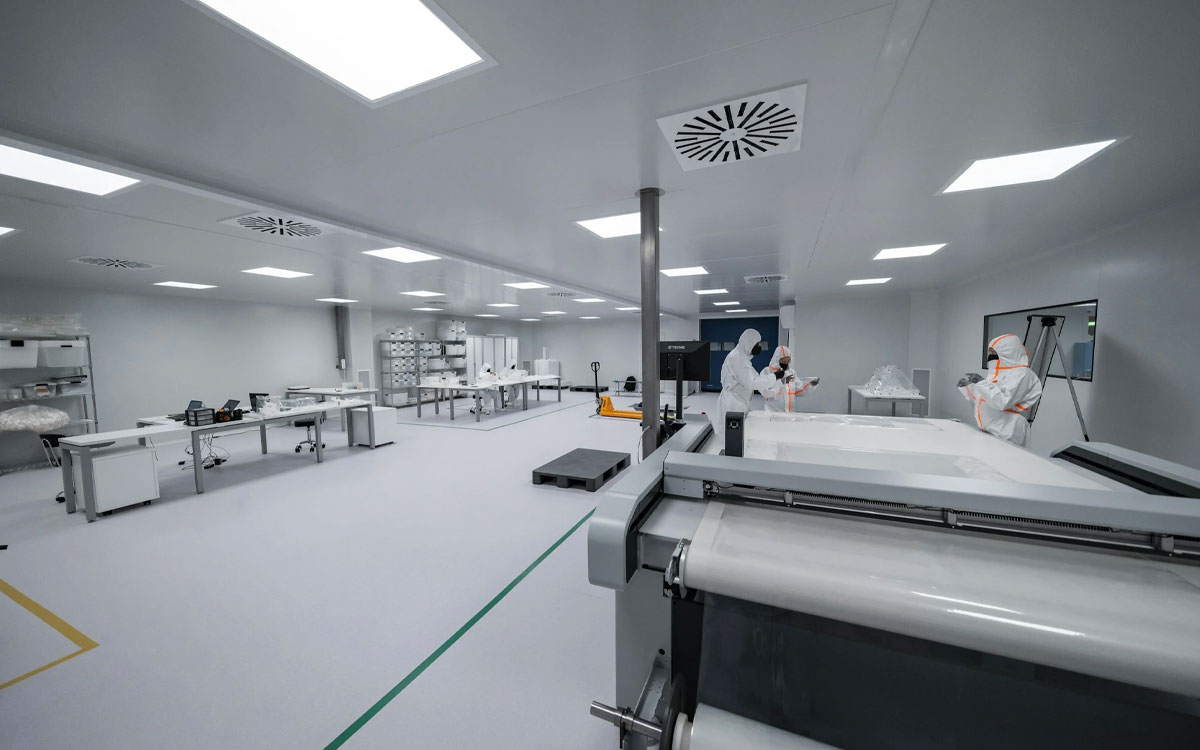
The most obvious sign of overdesign is treating the entire cosmetics factory as though it were a sterile pharmaceutical facility or a high-grade pharmaceutical cleanroom.
Raw-material warehouses, corridors, secondary packaging areas, and support rooms may all be assigned the same cleanliness classification as open filling areas, even though their risk profiles are very different.
Another common sign is dividing the facility into too many small rooms. Each process is placed in a separate room even when the activities are compatible and do not create a significant cross-contamination risk.
Each additional room requires cleanroom panels, doors, lighting, ventilation, sensors, floor finishes, ceiling systems, and separate monitoring points. This increases circulation space while reducing the usable production area.
Many projects also include excessive numbers of airlocks for both personnel and materials. A short route may pass through two or three airlocks even when there is little difference in cleanliness or gowning requirements between the connected areas.
HVAC systems may also be unnecessarily fragmented. Each room may receive a separate AHU or complicated airflow-control branch even though several areas have compatible temperature, humidity, and risk requirements.
HEPA filters may be installed in every room without assessing the contamination source or the level of product exposure. Secondary packaging areas, general corridors, and carton warehouses may receive terminal HEPA filtration similar to open-product filling areas.
Pressure cascades can also become unnecessarily complicated. Each room may be assigned a slightly different pressure, resulting in numerous sensors, gauges, dampers, and interlocking doors.
Materials are another common source of overdesign. Entire walls, ceilings, and equipment surfaces may be specified in stainless steel 304 even where powder-coated steel panels or HPL surfaces would provide adequate cleanability and chemical resistance.
BMS and EMS systems may be configured with excessive monitoring points. Temperature, humidity, and differential pressure may be continuously recorded in every room even when many of these parameters do not directly affect product quality.
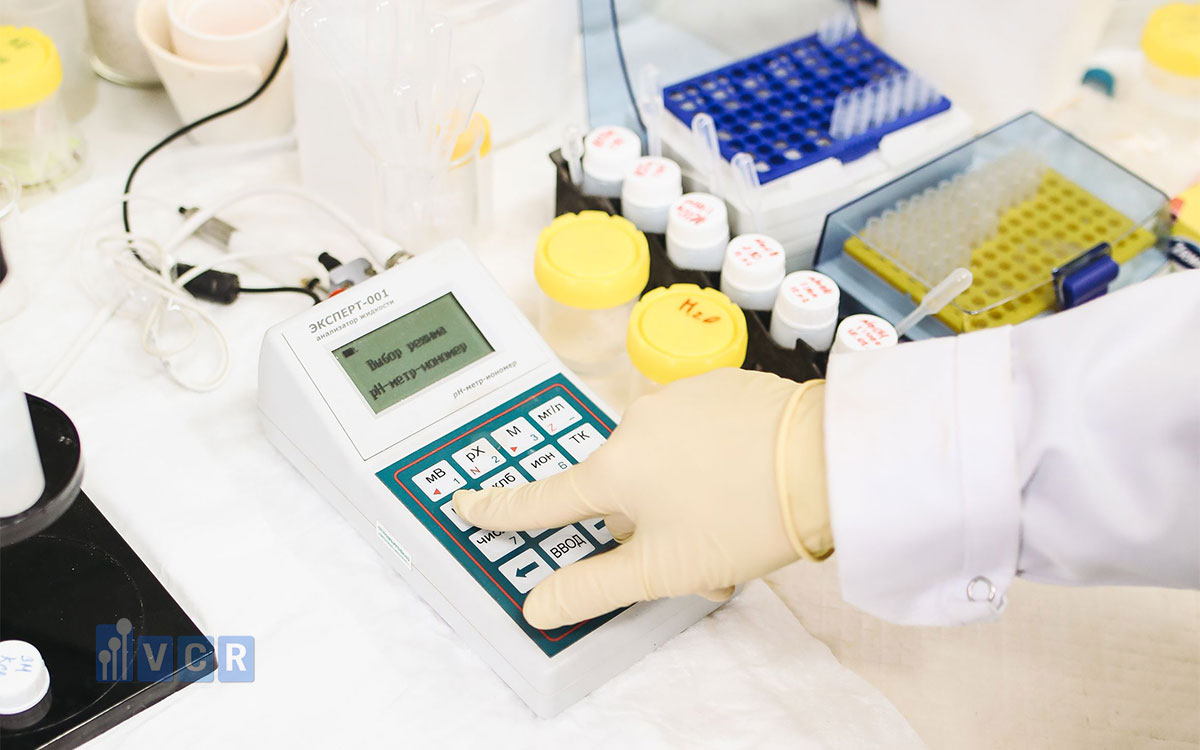
Some projects also apply IQ, OQ, and PQ to nearly every item, including minor fans, ordinary doors, and simple transfer boxes, without classifying equipment according to quality impact.
These signs normally indicate that the project has copied an existing pharmaceutical design instead of developing requirements from the actual cosmetics manufacturing process.
4. Risks of Selecting a Cleanliness Classification Higher Than Necessary
Cleanliness classification should be based on the product, degree of process exposure, contamination sources, and the effectiveness of other control measures. Not every room in a cosmetics factory needs to be classified as ISO Class 7 or ISO Class 8. Some areas only require a hygienic, well-ventilated environment with cleanable surfaces, pest control, and suitable operational discipline.
A controlled environment may be more appropriate for many cosmetics processes. Such an environment can still control temperature, humidity, hygiene, and air quality without being formally classified as a cleanroom.
Areas where product is exposed after mixing or before final closure may require stricter environmental control than packaging-material warehouses, labeling rooms, or carton-packing areas. A powder-dispensing room may require dust control, but this does not mean the entire factory needs to be upgraded to the same cleanliness level.
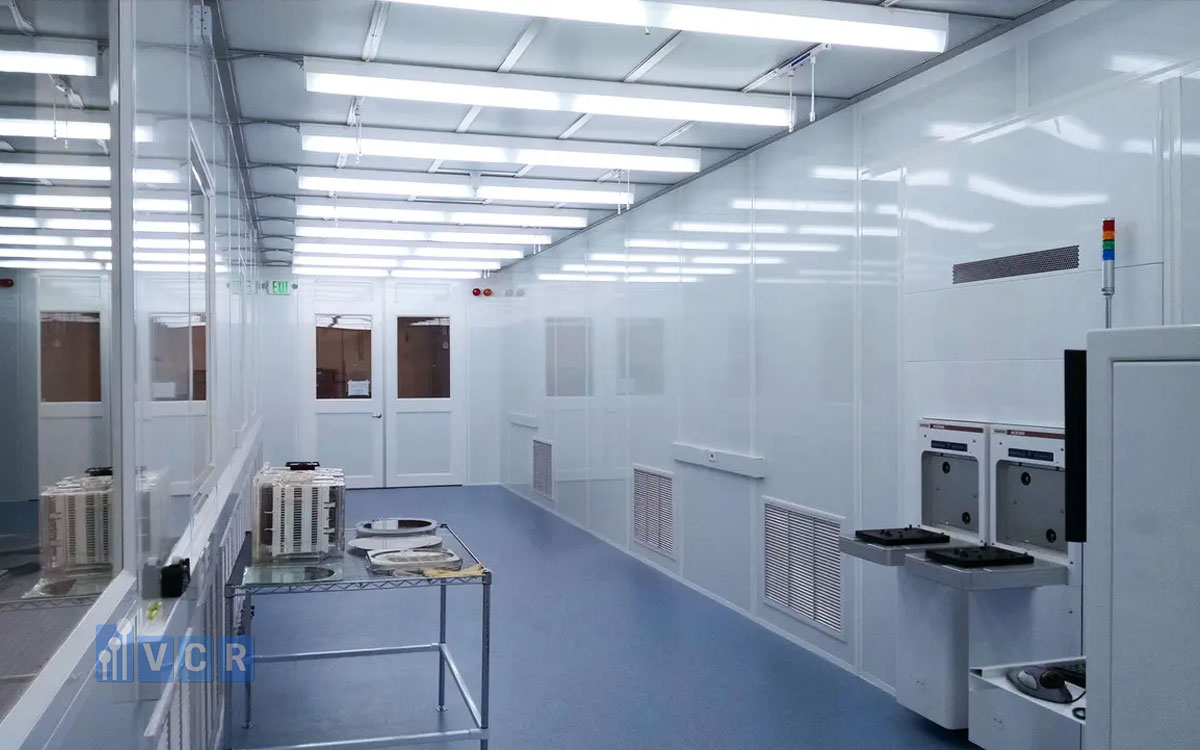
When the cleanliness level is increased, supply-air volume normally increases. Higher air-change rates require larger AHUs, larger fans, larger ducts, and greater cooling capacity.
HEPA filtration increases system resistance. Fans consume more energy to maintain airflow, and filters must be tested, replaced, and managed periodically.
Higher cleanliness classes also require greater room airtightness. Cleanroom panels, ceilings, doors, service penetrations, and joints must be designed and installed to a higher standard, increasing construction cost.
During operation, the manufacturer must monitor particles, test filters, maintain pressure, and demonstrate the specified environmental conditions. Without these activities, the cleanliness classification shown on the drawings has limited practical value.
A common mistake is assuming that a higher cleanroom grade automatically creates a better product. In reality, cosmetic quality depends heavily on raw-material quality, preservative effectiveness, water-system control, vessel cleaning, holding time, formula accuracy, and operator practices.
A clean room with poorly cleaned mixing tanks can still produce contaminated batches.
A room supplied through HEPA filters can still experience microbiological problems if personnel do not follow hygiene procedures.
Cleanroom classification should therefore only be used where it addresses a defined risk. Control should be concentrated on open-product stages, sensitive materials, and processes requiring special environmental protection.
5. Mistakes When Designing HVAC Based on a Pharmaceutical Plant Model
HVAC stands for Heating, Ventilation and Air Conditioning. In a cosmetics factory, the HVAC system should maintain suitable conditions for products, personnel, equipment, and production processes.
A common mistake is copying air-change rates from a pharmaceutical facility without calculating the actual heat load, moisture load, contamination generation, and ventilation needs of the cosmetics process.
A room containing closed mixing vessels may have a high cooling demand but a relatively low airborne-particle control requirement. An open filling area may require better environmental protection even if its heat load is lower.
Using too many AHUs increases the cost of equipment, plant rooms, ductwork, electrical power, controls, and maintenance. Where rooms have compatible temperature, humidity, operating hours, and contamination risks, they can often be grouped under one HVAC system. AHUs should be separated only where there is a clear difference in cross-contamination risk, temperature or humidity requirement, exhaust demand, or operating schedule.
Some cosmetics factories use 100% outdoor air in multiple areas even though they do not handle solvents, strong odors, or hazardous airborne substances. In hot and humid climates, all outdoor air must be cooled and dehumidified, which creates high energy demand. Return air may be used when the served areas are compatible and the risk assessment confirms that contaminants will not be transferred between products or rooms.
The decision should be based on risk, not on the assumption that recirculated air is always unsafe. Installing terminal HEPA filters in every area can also be excessive. In low-risk zones, pre-filtration combined with intermediate or fine filtration may be sufficient.
Humidity control is another common source of unnecessary cost. Many creams, shampoos, and liquid products do not require the narrow low-humidity limits used for moisture-sensitive pharmaceutical powders.
Where there is no product requirement, maintaining low humidity may require deep cooling and reheating.
Oversizing is also problematic. AHUs and chillers that operate continuously at low load may be inefficient and difficult to control.
A risk-based approach requires every HVAC parameter to be linked to a specific control objective. The system should first be designed around actual product and process needs. Airflow, filtration, pressure, and AHU configuration should then be selected accordingly.
6. Risks of Applying a Pharmaceutical Pressure Cascade Throughout the Cosmetics Factory
A pressure cascade controls airflow direction between rooms. Air normally moves from a higher-pressure area toward a lower-pressure area.
In a cosmetics factory, positive pressure may be used to protect clean mixing or filling areas from less-controlled surroundings. Negative pressure may be appropriate in powder-dispensing rooms, odor-generating areas, or rooms using volatile solvents.
The mistake is creating a complex pharmaceutical-style pressure cascade for every room without identifying a clear control need.
Each pressure difference must be maintained by balancing supply, return, and exhaust airflow. The more rooms included in the cascade, the more difficult the system becomes to balance.
Excessive pressure can make doors difficult to open, create whistling through gaps, and increase uncontrolled leakage.

When doors open, room pressure may fluctuate significantly, causing the control system to continuously increase and decrease fan speed. If too many doors are fitted with interlocks, personnel and material movement may become inconvenient. Operators may spend unnecessary time waiting for doors to close and release.
Each pressure-controlled room also requires a gauge or transmitter. When all signals are connected to a BMS, initial cost, calibration, maintenance, and data-management requirements increase. Pressure zoning should be based on risk zones rather than room names.
For example, an open filling room may be positive to the corridor, while a powder-dispensing room may be negative to its supporting area. Not every doorway needs an airlock. An airlock is valuable where there is a meaningful change in cleanliness, gowning, pressure, or contamination risk.
A personnel airlock is appropriate where operators change garments or move between control levels. A material airlock is useful where outer packaging must be removed, materials cleaned, or transfer conditions controlled.
Where two adjoining areas have the same environmental conditions and compatible processes, a properly designed direct door may be sufficient.
7. Overcomplicated Layout Design and Its Effect on Investment Cost
Layout refers to the arrangement of rooms, personnel routes, material flows, finished-product movement, waste routes, and equipment.
Pharmaceutical factories often require extensive segregation because of cross-contamination, cleanroom grade, potent active ingredients, and process risks. Applying the same degree of segregation to a cosmetics factory can create an unnecessarily complicated layout.
A common mistake is providing both clean corridors and technical corridors for every production area. This increases the building footprint without directly increasing production capacity.
Excessive numbers of intermediate rooms also reduce usable space. The project owner may invest in a large facility but have limited space for mixing vessels, filling lines, and storage.
Changing rooms may be divided into several stages even when there is little difference in garment requirements between zones.
Pass-through structures and Pass Boxes may be installed at many locations even though a well-designed material route could adequately control movement.
Every airlock, corridor, and intermediate room creates additional requirements for doors, panels, ceilings, lighting, fire protection, sensors, electrical outlets, and air terminals.
The cost therefore extends beyond architectural construction into the entire MEP system.
Longer personnel and material routes also increase operating time.
Employees must open more doors, perform more transfer steps, and may be more likely to bypass procedures if the system is inconvenient.
An appropriate cosmetics-factory layout should be based on product exposure and risk. Raw-material receiving, dispensing, mixing, filling, packaging, and storage should be clearly organized without unnecessary subdivision.
Closed liquid-mixing processes can often be arranged more flexibly than open filling processes. Secondary packaging should be separated from open-product zones but does not necessarily require the same environmental classification.
Special products such as powders, alcohol-containing products, strongly fragranced materials, or microbiologically sensitive products may require dedicated areas.
The objective of layout design is to reduce inappropriate crossing, support cleaning, and create efficient production flow. A good layout should simplify operation rather than create unnecessary barriers.
8. Selecting Overly Expensive Materials Without Adding Control Value
Materials used in a cosmetics factory should have smooth surfaces, be easy to clean, generate minimal particles, and resist the chemicals used in the area.
Not every wall, ceiling, and equipment surface needs to be stainless steel 304. Stainless steel is appropriate for product-contact surfaces, frequently washed areas, and locations exposed to corrosion.
For production-room walls and ceilings, high-quality powder-coated steel panels may be adequate when the surfaces are sealed, cleanable, and chemically compatible.
HPL stands for High Pressure Laminate. It may be suitable for selected areas because of its smooth surface and cleanability.
Stainless steel offers good durability and corrosion resistance, but it is expensive. Large stainless-steel sheets may become scratched, dented, or marked. Repair and replacement are not always simple.
Seamless epoxy flooring is commonly suitable for production areas because it is cleanable and dust-resistant. Where chemicals are used, the selected coating must have suitable chemical resistance.
Washing and sanitation areas require slip-resistant flooring and appropriate drainage slopes.
Selecting a highly polished surface without evaluating slip risk is a safety mistake.
Vinyl flooring may be suitable in dry, clean areas with moderate load, but weld quality and chemical resistance must be considered.
Material optimization does not mean choosing the lowest-priced material. The selection should consider function, cleaning frequency, chemical exposure, impact, repairability, and expected life.
A premium material only creates value when it solves a defined operational or quality requirement.
The belief that “more stainless steel means better GMP compliance” can significantly increase investment without materially improving control.
9. Overuse of HEPA Filters and Cleanroom Equipment in Low-Risk Areas
A HEPA filter is a high-efficiency particulate air filter used to remove airborne particles from supply air. HEPA filtration is important where the process requires strict particle control or where open products need environmental protection. However, HEPA filters should not be treated as a default requirement for every area of a cosmetics factory.
Closed raw-material warehouses, general corridors, and secondary packaging areas may not require HEPA filtration when the risk to the product is low. Installing HEPA Boxes in these areas increases pressure loss, electrical consumption, filter-replacement cost, and maintenance workload.
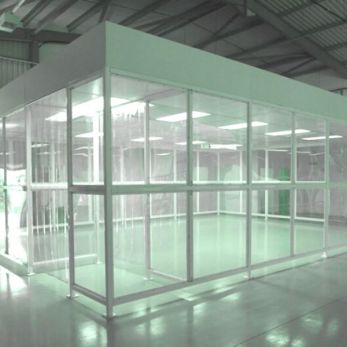
FFU stands for Fan Filter Unit. An FFU combines a fan with a HEPA or ULPA filter. FFUs are useful for local clean zones and Clean Booths, but they do not need to cover the entire ceiling of a typical cosmetics facility.
An Air Shower can reduce loose particles on garments before personnel enter a controlled area. However, an Air Shower does not replace gowning, hand hygiene, or disciplined entry procedures. Installing Air Showers at every entrance can slow movement without significantly reducing risk if garments and hygiene are poorly controlled.
A Dynamic Pass Box includes a fan and HEPA filtration. It is suitable when materials are transferred between areas with different cleanliness requirements or require filtered-air protection. Where both rooms have similar conditions and the materials are sealed, a Static Pass Box may be sufficient.
LAF stands for Laminar Air Flow, commonly used to describe unidirectional airflow. LAF is appropriate for local open-product operations requiring protection. Using LAF for closed operations or low-risk processes may add cost without improving product quality.
A VHP Pass Box uses vaporized hydrogen peroxide for high-level decontamination. This technology is appropriate for certain sterile pharmaceutical or biological processes, but most cosmetics factories do not require it.
Excessive equipment increases capital cost, energy use, spare-parts requirements, filter replacement, and maintenance.
Vietnam Cleanroom Equipment can coordinate with cleanroom contractors to evaluate the application, compare configurations, and select equipment according to actual cleanliness, process, and budget requirements rather than automatically specifying the highest-grade option.
10. Excessive Monitoring, Alarm, and Qualification Requirements
- Monitoring means observing and recording operating parameters.
- Commissioning means testing, adjusting, and confirming that a system operates according to the approved design.
- Qualification means demonstrating that a system is suitable for its intended use.
These activities are related but not identical.
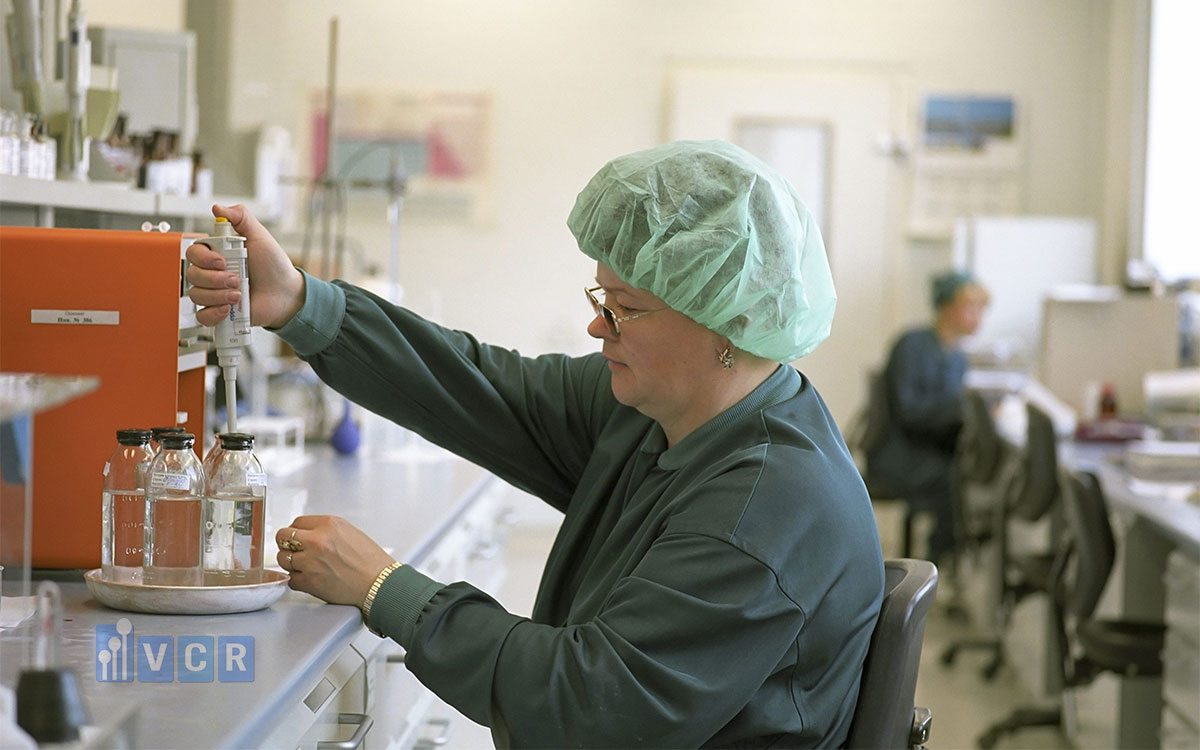
A common mistake is applying a full pharmaceutical qualification program to every item in a cosmetics facility without classifying systems according to their effect on product quality.
Systems that directly affect quality, such as the process-water system, mixing vessels, filling equipment, and critical controlled areas, may require more extensive verification.
Minor ventilation fans, ordinary doors, and equipment with no direct product impact may only need documented installation and functional checks.
Installing differential-pressure transmitters in every room creates costs for instruments, wiring, control panels, software, and calibration. Similarly, not every room needs continuous 24-hour temperature and humidity recording. Only parameters that affect the product, raw materials, or process should be monitored and controlled at a high level. Too many alarms can lead to alarm fatigue.
Alarm fatigue occurs when operators receive so many low-priority or nuisance alarms that they become less responsive to genuinely important events. Audit trail functionality is essential for certain quality-related computerized systems.
However, applying complex audit-trail requirements to systems with no meaningful quality impact can increase software, validation, and administration costs.
A Critical Parameter is a parameter that directly affects product quality or process control.
The factory should classify systems, equipment, and parameters according to their impact.
Monitoring, calibration, and qualification resources should be concentrated on the points that are most important to product quality and consumer safety.
11. Additional Costs Caused by Overdesign
Overdesign increases cost from the construction stage through the entire operating life of the factory.
The first cost increase occurs in the architectural system. More rooms require more cleanroom panels, ceilings, doors, windows, flooring, and accessories.
HVAC cost increases with higher cleanliness classifications, greater airflow, and more AHUs. Larger fans, larger ductwork, and more complicated controls all increase the project budget. When the design uses a high percentage of outdoor air or low humidity, chiller capacity, reheating capacity, electrical power, and standby generation requirements also increase.
BMS, EMS, sensors, and control panels represent a significant investment. After installation, these systems require software support, periodic maintenance, replacement parts, calibration, and trained personnel.
HEPA filters require testing, replacement, and controlled installation. Each filter replacement may require system shutdown, rebalance, cleaning, and leak testing.
Testing, calibration, IQ, OQ, and PQ costs increase with the number of monitoring points and equipment items. More documentation also requires additional QA, engineering, and maintenance resources.
Energy is one of the largest long-term costs. Cleanroom fans often operate continuously to maintain pressure and cleanliness. As airflow increases, fan energy consumption rises significantly.
Reduced production space is another indirect cost. The business may invest in a large building but obtain less usable area for manufacturing and storage. Complex designs also make expansion difficult.
When a new production line is added, multiple pressure zones, control sequences, and HVAC branches may need to be modified. These costs are eventually included in product cost.
In a competitive cosmetics market, high manufacturing cost can reduce the company’s ability to grow brands, support distributors, and compete on price.
A technically impressive factory operating below capacity with high fixed cost is not necessarily a successful investment.
The facility design must support the business model rather than become a permanent financial burden.
12. Which Pharmaceutical GMP Principles Should Still Be Applied to Cosmetics Manufacturing?
Avoiding overdesign does not mean rejecting pharmaceutical GMP experience. Many pharmaceutical quality-management principles can improve cosmetics manufacturing.
Raw-material control is essential.
Materials should come from evaluated suppliers, have clear specifications, be correctly identified, and be stored under suitable conditions.
Documentation control ensures that every batch is manufactured according to an approved formula and procedure.
Deviations should be documented, investigated, and resolved. Cleaning is a core requirement. Mixing vessels, pipelines, tools, and production rooms need cleaning procedures appropriate to the products and residues involved.
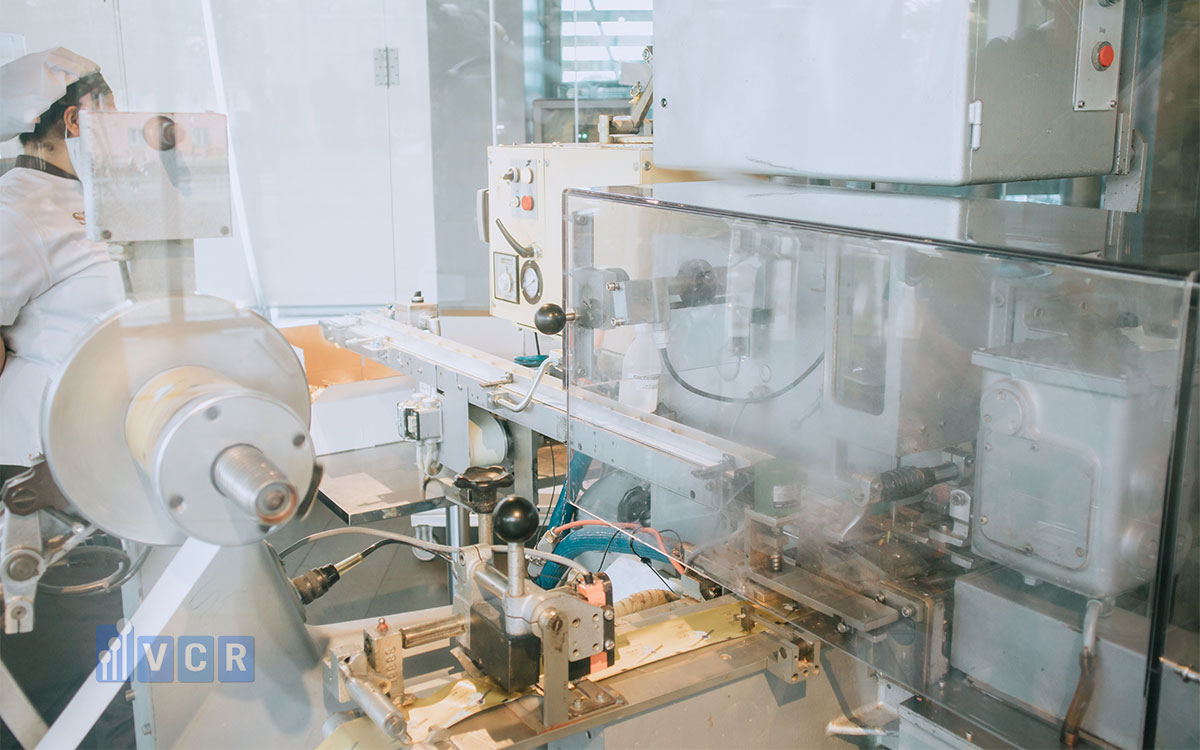
Cross-contamination prevention remains important, particularly where the factory manufactures products with different colors, fragrances, surfactants, allergens, powders, or active cosmetic ingredients.
Change control helps the manufacturer assess risk before changing raw materials, equipment, suppliers, formulas, processes, or cleaning methods.
Personnel training should be job-specific. Employees must understand hygiene, safety, operating procedures, and documentation responsibilities.
Batch traceability makes it possible to identify raw materials, equipment, operators, and process conditions if a complaint or quality issue occurs.
Risk-based thinking is the most valuable pharmaceutical GMP principle to adopt. The degree of control should be proportional to the probability and consequence of failure.
Open products require more control than products inside closed vessels. Water-rich or low-preservative products may require greater microbiological control. The process-water system should be carefully designed and monitored because water is often the main cosmetic ingredient.
Equipment and areas should be classified according to their criticality. Points that directly affect product quality should receive stronger controls. Pharmaceutical GMP experience should become a risk-management and operational-discipline tool, not a rigid facility-design template.
13. How to Optimize a Cosmetics Factory While Still Meeting GMP Requirements
An optimized design starts with the product portfolio and manufacturing process, not with a cleanliness class or equipment list.
Liquid products such as shampoo and shower gel have different requirements from creams, powders, alcohol-based products, or microbiologically sensitive formulations.
Each category has different mixing, ventilation, cleaning, dust-control, and safety requirements.
The degree of product exposure should be identified at every process stage. Closed mixing presents a different risk from raw-material charging, sampling, transfer, and open filling. Open-product points should receive priority for environmental protection, cleaning control, and operator discipline.
URS stands for User Requirement Specification. The URS should define products, capacity, process, environmental conditions, materials, equipment, utilities, and acceptance criteria.
Facility zoning should be based on risk. Raw-material handling, dispensing, mixing, filling, packaging, and storage can have different control levels without all being assigned the same cleanroom class.
A formal ISO Class should only be specified where there is a technical justification. For many areas, a controlled environment is sufficient. The number of AHUs should be optimized by grouping compatible rooms.
Systems should only be separated where there is a clear difference in product risk, temperature, humidity, exhaust, or operating schedule.
Return air can be used where the risk assessment supports it. This can significantly reduce cooling and dehumidification loads. HEPA filtration should be concentrated in open-product or specially controlled areas.
The entire factory does not need to be upgraded when only one process requires a higher level of protection.
Local clean-air solutions such as LAF units or Clean Booths may be more efficient than upgrading a complete room.
The layout should reduce unnecessary corridors and airlocks while maintaining appropriate personnel, material, and waste flows. Equipment should be classified according to quality impact to determine the necessary qualification and monitoring scope.
Capacity allowance should be reasonable. The design should support realistic expansion plans without excessive oversizing.
LCC stands for Life Cycle Cost. Design options should be compared using initial cost, energy use, maintenance, filter replacement, staffing, spare parts, and expected service life.
Early coordination among the owner, consultant, HVAC contractor, cleanroom contractor, and equipment supplier helps reduce changes and avoid unnecessary investment.
14. The Role of Equipment Suppliers in Preventing Overinvestment
A cleanroom equipment supplier should not simply receive a list and issue a quotation. An experienced supplier should understand where the equipment will be installed, which product it supports, and how it interfaces with the HVAC system and cleanroom layout.
Reviewing layout and HVAC drawings helps identify cleanliness classification, pressure, personnel flow, material flow, wall openings, and technical connections.
Static Pass Boxes and Dynamic Pass Boxes have different functions and costs. The supplier should clarify when HEPA-filtered airflow is required and when a simple interlocked transfer chamber is sufficient.
Air Showers should only be used where there is a clear objective to remove particles from garments. Where the primary control need is hand hygiene or gowning, an Air Shower is not a substitute.
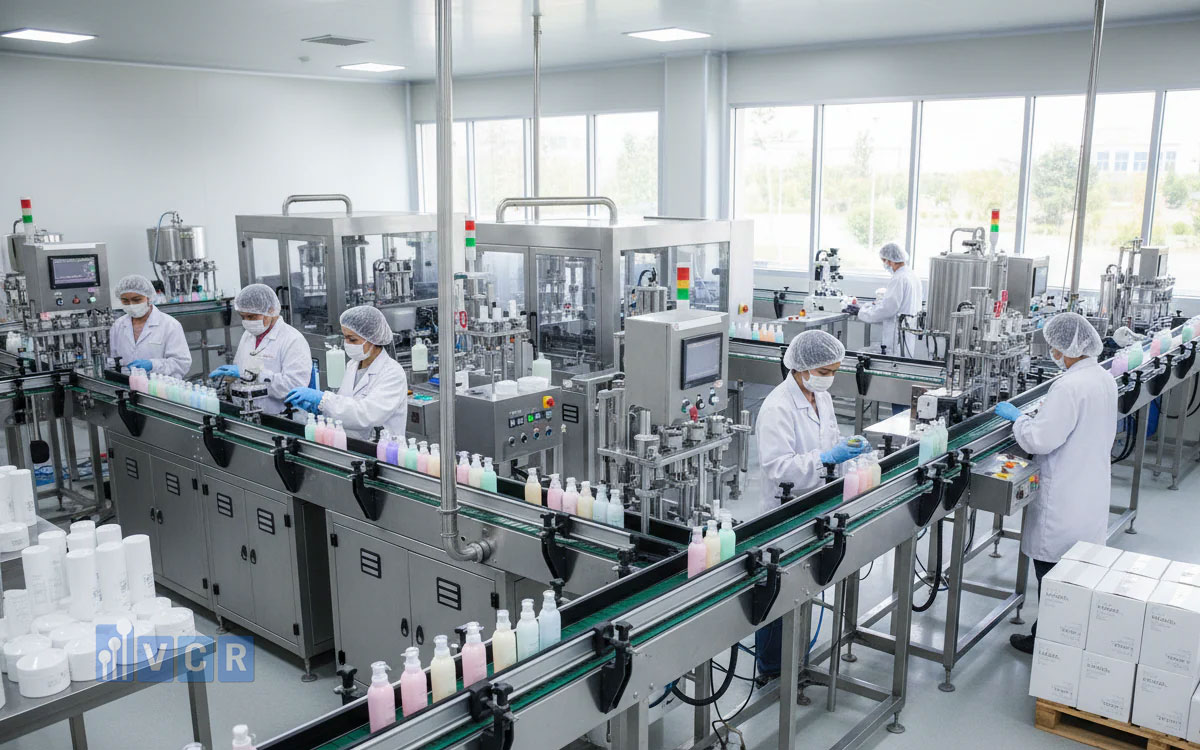
FFUs, HEPA Boxes, and LAF units should be selected according to the required cleanliness and protected zone.
Choosing equipment only because it has a higher specification can increase energy and maintenance costs.
The supplier should also provide fabrication drawings, wall-opening dimensions, power requirements, interlock signals, duct connections, and installation instructions.
Vietnam Cleanroom Equipment supplies cleanroom equipment to cleanroom contractors and can coordinate equipment configurations according to process, cleanliness level, and project budget.
This role does not replace the design consultant. However, early coordination helps reduce mismatches between equipment, cleanroom panels, electrical systems, and HVAC interfaces. The most appropriate equipment is not necessarily the most expensive equipment. It is the equipment that performs the required function, is easy to operate and maintain, and is supported by complete technical documentation.
15. FAQ: Applying Pharmaceutical GMP to a Cosmetics Factory
Does a cosmetics factory need to comply with pharmaceutical GMP?
A cosmetics factory does not normally need to apply every pharmaceutical GMP requirement. It should follow cosmetics GMP and use risk-management principles appropriate to the products, processes, and target markets. Selected pharmaceutical GMP practices may be useful, but they should not be copied without justification.
Does ISO 22716 completely replace pharmaceutical GMP?
ISO 22716 is an important cosmetics GMP guideline, but it may not cover every regulatory, customer, or market-specific requirement. Manufacturers should combine ISO 22716 with applicable national regulations, customer expectations, product risk assessment, and internal quality standards.
Must a cosmetics factory have cleanrooms?
Not every area in a cosmetics factory needs to be an ISO-classified cleanroom. Some processes only require a hygienic controlled environment with appropriate cleaning, ventilation, and pest control. Open-product or sensitive operations may require higher environmental control.
What cleanliness class should be used for a cosmetics mixing room?
The required cleanliness level depends on the product type, degree of exposure, whether the process is open or closed, the water system, preservative system, and microbiological risk. ISO Class 7 or ISO Class 8 should not be specified automatically.
Does the entire cosmetics factory need HEPA filtration?
Usually not. HEPA filtration should be prioritized for open-product areas, filling zones, or processes with specific particle-control requirements. Warehouses, corridors, and secondary packaging areas may use other filtration levels when supported by risk assessment.
Are IQ, OQ, and PQ required for all cosmetics equipment?
Not necessarily. Equipment should be classified according to its effect on product quality. Water systems, mixing vessels, and filling equipment may need more extensive qualification. Low-impact supporting equipment may only require installation and functional acceptance testing.
Does a cosmetics factory need as many airlocks as a pharmaceutical factory?
No. Airlocks should only be used where there is a meaningful change in cleanliness, pressure, gowning, or contamination risk. Excessive airlocks increase cost, occupy valuable space, and slow personnel and material movement.
When is a Dynamic Pass Box truly necessary?
A Dynamic Pass Box is appropriate when materials move between areas with different cleanliness requirements or need HEPA-filtered-air protection. If the materials are sealed and both rooms have similar environmental conditions, a Static Pass Box may be more suitable.
Can overdesign negatively affect product quality?
Overdesign does not necessarily reduce product quality directly, but it can create systems that are difficult to operate and maintain. When resources are spent on unnecessary equipment, the factory may neglect more important controls such as water quality, cleaning, raw materials, and operator practices.
How can investment cost be reduced while maintaining cosmetics GMP?
The manufacturer should begin with product and process risk assessment, identify critical areas, optimize layout and HVAC, use local clean-air solutions where appropriate, and limit qualification to quality-impacting systems. Vietnam Cleanroom Equipment can support contractors in selecting practical equipment configurations.
16. Conclusion
The main mistake in developing a cosmetics factory is not applying GMP. The mistake is copying the full technical model of a pharmaceutical plant without assessing its suitability.
Overdesign does not automatically provide better control.
A factory with many AHUs, HEPA filters, pressure sensors, and airlocks may still experience quality problems if the water system, raw materials, cleaning, and operator practices are not properly managed.
Every requirement should be based on the product, process, degree of exposure, microbiological risk, cross-contamination risk, and target market.
Liquid cosmetics, creams, powders, alcohol-based products, and low-preservative formulations should not all use one identical design model.
A risk-based approach helps determine which areas need a formal cleanroom classification, which areas only need a controlled environment, where HEPA filtration is necessary, when an AHU should be separated, and when local clean-air equipment is sufficient.
The final objective is to balance product quality, investment cost, operating cost, maintainability, and future expansion.
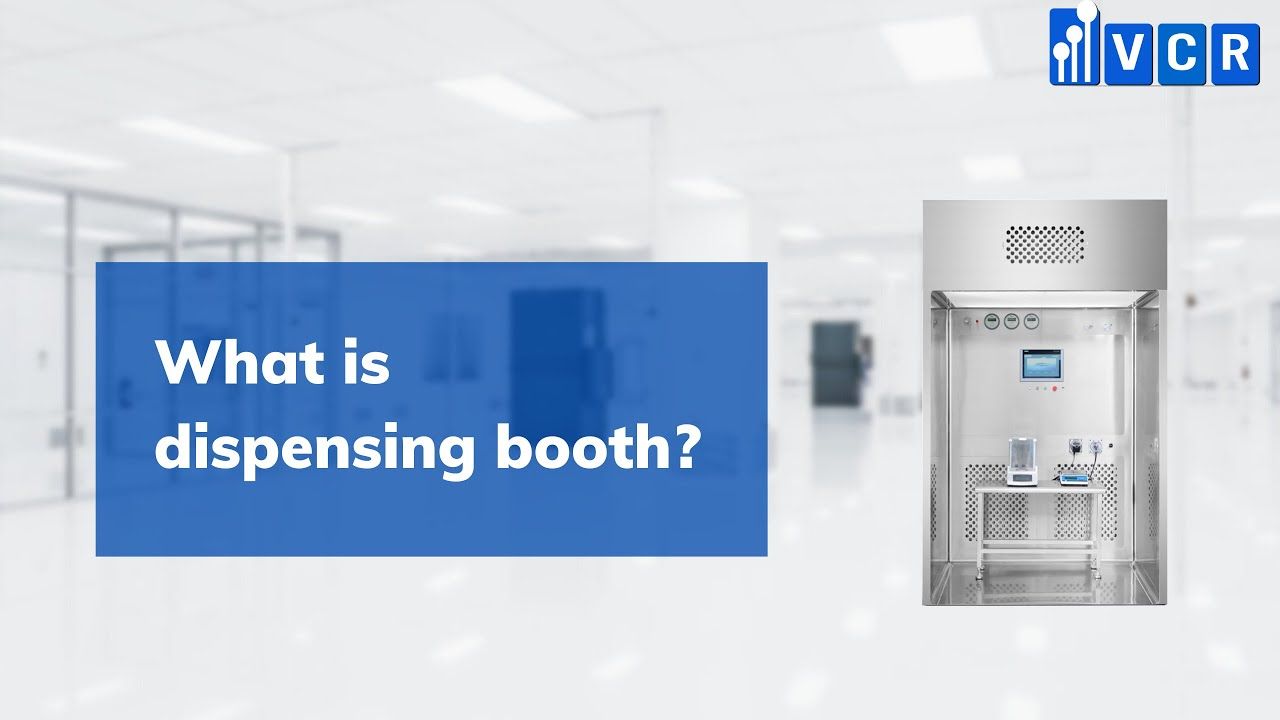
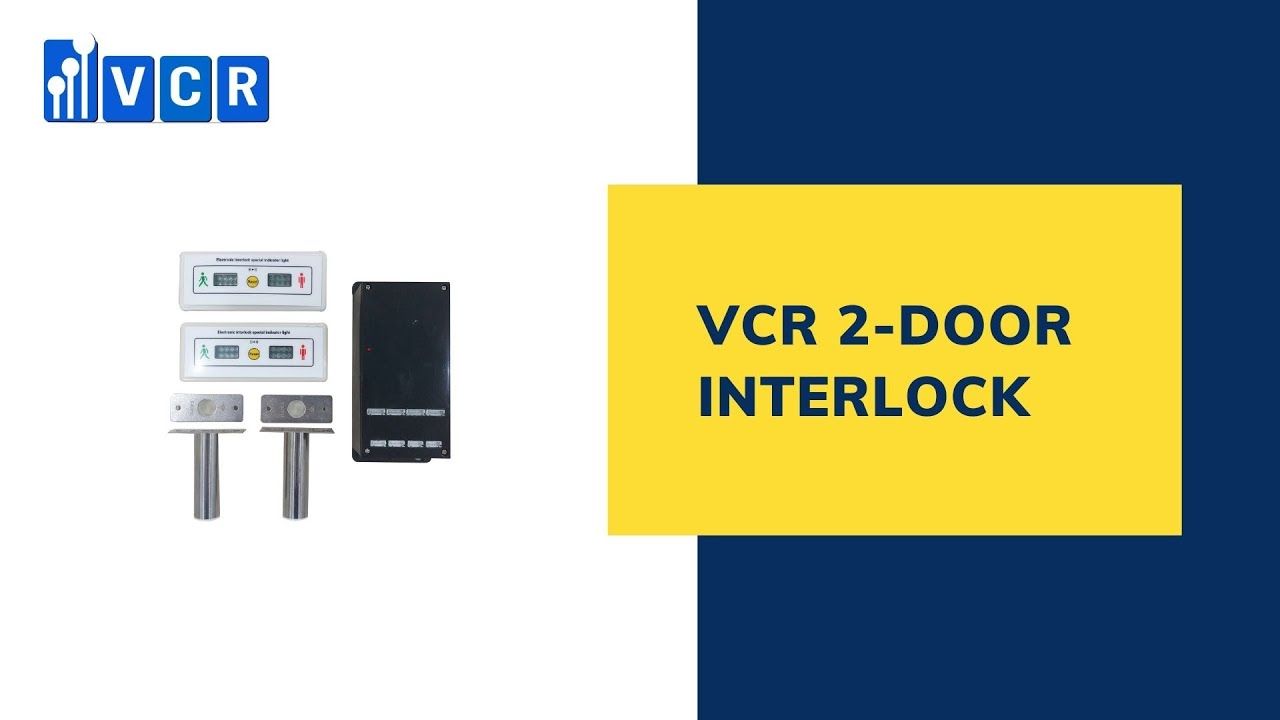
Vietnam Cleanroom Equipment supplies Air Showers, Pass Boxes, Dynamic Pass Boxes, FFUs, HEPA Boxes, LAF units, Dispensing Booths, differential pressure gauges, interlock systems, and other equipment for cosmetics factories.
As a cleanroom equipment supplier supporting cleanroom contractors, Vietnam Cleanroom Equipment can assist with drawing review, equipment configuration, and specification selection according to cleanliness requirements, production processes, and project budgets.
Contact Vietnam Cleanroom Equipment for practical cleanroom equipment solutions that avoid unnecessary investment while still supporting cosmetics GMP requirements.
VIETNAM CLEANROOM EQUIPMENT
Fast Delivery - On-Time Commitment - Dedicated Support
Hotline: 090.123.9008 - Call/Zalo 24/7
Email: [email protected]
Website: vietnamcleanroom.com
- Northern Office: 9/675 Lac Long Quan Street, Tay Ho Ward, Hanoi
- Southern Office: 15/42 Phan Huy Ich Street, Hiep Binh Ward, Ho Chi Minh City