




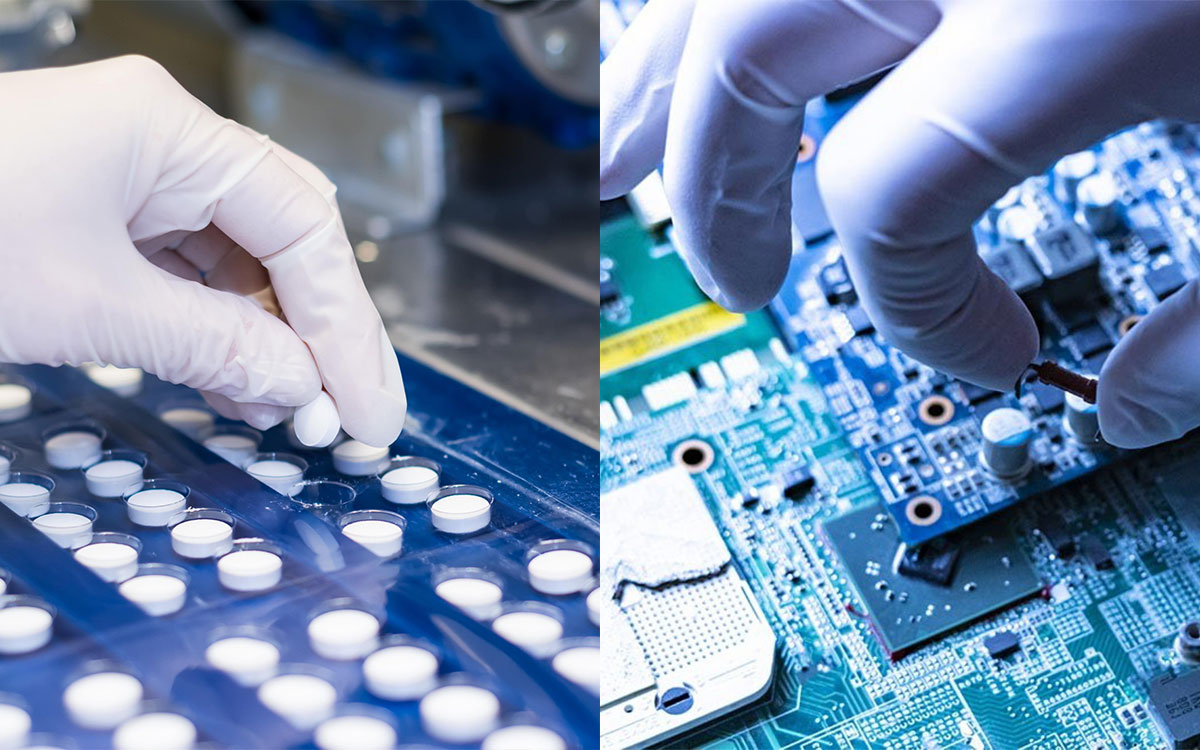
Differences Between Pharmaceutical Cleanrooms and Electronics Cleanrooms
Pharmaceutical cleanrooms and electronics cleanrooms are both designed to control the production environment, especially airborne particle concentration. However, their control objectives, applicable standards, HVAC configurations, finishing materials, equipment, and operating procedures are significantly different.
- 1. How Are Pharmaceutical Cleanrooms Different From Electronics Cleanrooms?
- 2. Different Environmental Control Objectives
- 3. Differences in Applicable Standards
- 4. Comparison of Cleanliness Classes and Particle Limits
- 5. Differences in Microbiological Control
- 6. Differences in HVAC System Design
- 7. Comparison of Pressure Differentials and Airflow Direction
- 8. Differences in Temperature, Humidity, and ESD Control
- 9. Differences in HEPA, ULPA, and Air Distribution Systems
- 10. Differences in Finishing Materials and Cleanroom Construction
- 11. Differences in Cleanroom Equipment
- 12. Comparison of Garments, Personnel, and Operating Procedures
- 13. Comparison of Testing, Acceptance, and Qualification
- 14. FAQ: Differences Between Pharmaceutical and Electronics Cleanrooms
- 15. Conclusion
Pharmaceutical cleanrooms focus on product protection, microbiological control, cross-contamination prevention, and GMP compliance. Electronics cleanrooms primarily protect wafers, chips, printed circuit boards, sensors, displays, and other sensitive components from small particles, electrostatic discharge, unsuitable humidity, and airborne molecular contamination.
In this VCR's article, we will discuss about the Differences Between Pharmaceutical Cleanrooms and Electronics Cleanrooms.
1. How Are Pharmaceutical Cleanrooms Different From Electronics Cleanrooms?
A pharmaceutical cleanroom is a controlled environment designed to limit airborne particles, microorganisms, cross-contamination, and other factors that may affect medicinal-product quality.
The protected subject may be raw material, an intermediate product, a finished pharmaceutical product, a sterile preparation, or an operator working with hazardous active ingredients.
Microbiological control is particularly important in pharmaceutical cleanrooms. A room with a low airborne-particle concentration is not necessarily suitable for pharmaceutical production if it lacks an appropriate cleaning, disinfection, microbiological monitoring, personnel-control, and gowning program.
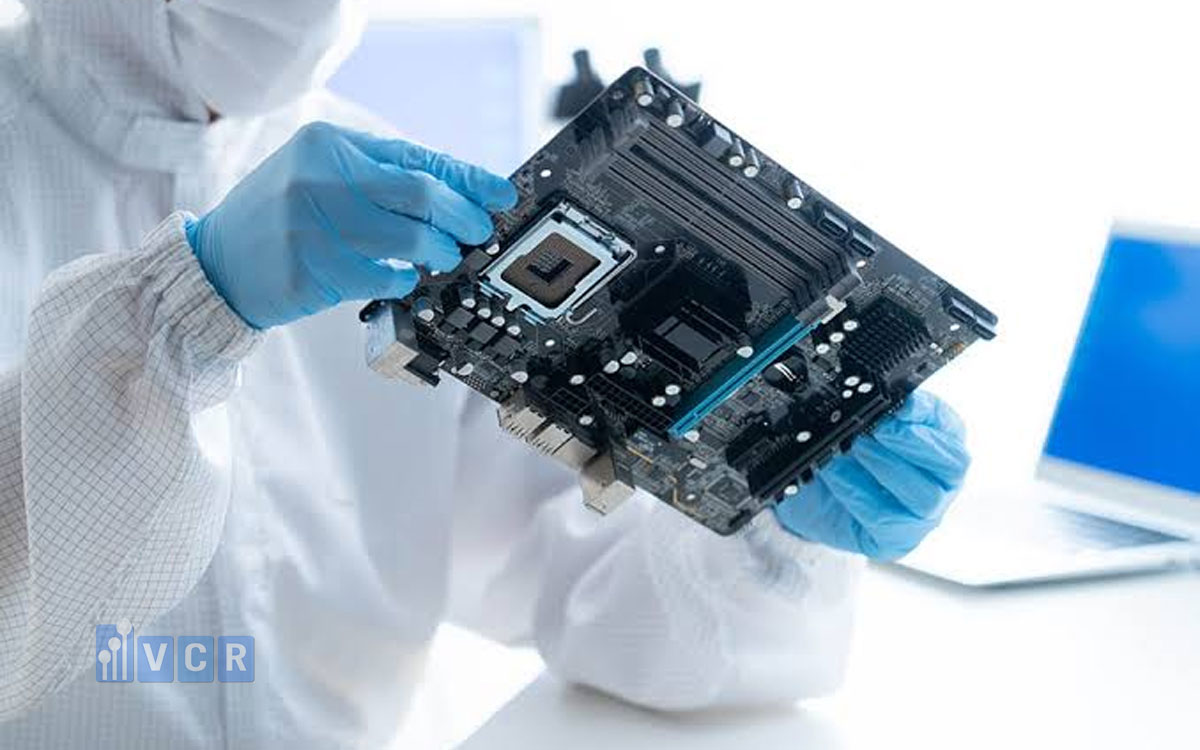
An electronic cleanroom is a controlled environment designed to protect electronic components, printed circuit boards, sensors, display products, wafers, and semiconductor chips from particles, humidity, electrostatic discharge, and molecular contaminants.
In semiconductor production, a very small particle can create a defect on the wafer surface, interrupt a conductive path, interfere with photolithography, or cause a chip to fail.
Electronics cleanrooms may therefore require extremely high cleanliness levels, sometimes significantly higher than those used in many pharmaceutical production areas.
Both cleanroom types use HVAC systems, HEPA or ULPA filtration, sealed architectural structures, low-particle-shedding materials, gowning procedures, and environmental testing.
The main difference is the control objective. Pharmaceutical cleanrooms must control both non-viable particles and viable microorganisms while also preventing cross-contamination between products.
Electronics cleanrooms place stronger emphasis on very small particles, ESD, AMC, vibration, temperature stability, humidity stability, and surface contamination.
ESD stands for Electrostatic Discharge. It is the sudden transfer of electrical charge between objects with different electrical potentials.
AMC stands for Airborne Molecular Contamination. It refers to gaseous or molecular contaminants in the air that can react with or deposit on sensitive surfaces.
These factors can cause significant manufacturing losses in electronics facilities, although they are not normally the main control priorities in conventional pharmaceutical cleanrooms.
The two cleanroom types should therefore not be compared only by ISO Class. Two rooms with the same cleanliness classification may have completely different pressure strategies, surface materials, monitoring systems, cleaning procedures, and production equipment.
2. Different Environmental Control Objectives
The main objective of a pharmaceutical cleanroom is to ensure that products are manufactured under environmental conditions that support the required quality attributes.
This includes controlling particles, microorganisms, temperature, humidity, pressure differentials, airflow direction, personnel movement, material flow, and cross-contamination risk.
For sterile products, environmental control requirements are especially demanding. Air, surfaces, tools, garments, equipment, and operator activities can all become sources of microbiological contamination.
The cleanroom design must therefore support an integrated contamination control strategy rather than relying on particle filtration alone.
For non-sterile pharmaceutical products, microbiological risk may be lower, but it still requires assessment.
Powders, tablets, capsules, and active ingredients may also create dust-containment, occupational-exposure, and cross-contamination challenges.
The main objective of an electronics cleanroom is to reduce manufacturing defects.
Electronic structures are becoming smaller, circuit density is increasing, and the distance between critical features is decreasing. A particle that would be insignificant in another industry may create a serious product defect in semiconductor manufacturing.
In addition to particles, electronics facilities must control static electricity.
Electrical charge can accumulate on personnel, floors, workbenches, carts, tools, packaging, and production equipment.
When discharge occurs, sensitive components may fail immediately or suffer latent damage that reduces service life without creating a visible defect.
AMC is another major concern, particularly in semiconductor manufacturing.
Airborne acids, bases, organic compounds, plasticizers, and metallic contaminants can deposit on wafer surfaces and affect photolithography, deposition, etching, cleaning, and inspection processes.
Pharmaceutical cleanrooms generally focus on GMP compliance, product safety, contamination prevention, and operator protection.
Electronics cleanrooms focus on production yield, process stability, component reliability, and protection from physical and chemical contamination.
Yield means the percentage of manufactured products that meet the required specifications.
These different objectives directly affect the design.
A pharmaceutical facility may require negative-pressure rooms to contain active ingredients or dust.
An electronics cleanroom usually maintains positive pressure to prevent particles from entering the controlled area.
Pharmaceutical facilities may invest heavily in disinfection systems, microbiological monitoring, and material-transfer controls.
Electronics facilities may invest more in FFUs, raised floors, ionizers, grounding networks, AMC filtration, and vibration control.
3. Differences in Applicable Standards
ISO 14644 is widely used for both pharmaceutical and electronics cleanrooms. It provides a framework for classifying air cleanliness by airborne-particle concentration, planning monitoring programs, and performing cleanroom tests.
ISO Class is determined by the allowable concentration of particles of specified sizes in one cubic meter of air. ISO Class 1 is cleaner than ISO Class 8 or ISO Class 9.
Pharmaceutical cleanrooms, however, are not governed by ISO 14644 alone.
Pharmaceutical manufacturers must also comply with GMP, which stands for Good Manufacturing Practice.
Depending on the target market and product-registration strategy, facilities may apply EU GMP, WHO GMP, PIC/S GMP, FDA requirements, or national pharmaceutical regulations.
- EU GMP means European Union Good Manufacturing Practice.
- WHO GMP means World Health Organization Good Manufacturing Practice.
- PIC/S GMP refers to GMP standards associated with the Pharmaceutical Inspection Co-operation Scheme.
FDA refers to the United States Food and Drug Administration. In sterile pharmaceutical manufacturing, production areas are commonly divided into Grade A, B, C, and D.
These grades are not based only on particle concentration. They are also linked to process risk, operating state, microbiological limits, personnel practices, and the type of manufacturing activity.
- Grade A is normally used for high-risk operations such as aseptic filling, aseptic connections, open-product exposure, and container closure.
- Grade B commonly provides the background environment for Grade A operations.
- Grades C and D are used for lower-risk preparation and supporting stages.
Electronics cleanrooms generally use ISO Class more directly. Depending on the product and process, production zones may be classified as ISO Class 3, 4, 5, 6, 7, or 8.
Semiconductor and microelectronics facilities also use standards and technical requirements for ESD, materials, vibration, AMC, temperature, and humidity.
ESD standards may define requirements for floors, garments, shoes, wrist straps, workstations, packaging, tools, and grounding methods.
A critical difference is that ISO Class describes particle cleanliness only.
An ISO Class 5 room is not automatically suitable for sterile pharmaceutical manufacturing if it does not satisfy GMP, microbiological control, contamination-control strategy, and operational requirements.
Similarly, an ISO Class 5 room may not be suitable for semiconductor processing if it does not control ESD, AMC, vibration, temperature, and humidity tightly enough.
The applicable standard set must therefore be selected according to the industry, product, process, market, and quality objectives.
A specification that states only “ISO Class 7 cleanroom” is incomplete if it does not also describe the operating state, product risk, environmental limits, and required control functions.
4. Comparison of Cleanliness Classes and Particle Limits
Cleanliness class is often used to compare pharmaceutical and electronics cleanrooms.
However, a comparison based only on ISO Class can be misleading because it does not fully reflect the contamination risks of each industry.
In pharmaceutical manufacturing, many non-sterile production areas may operate at levels corresponding approximately to ISO Class 7 or ISO Class 8, depending on the process and GMP requirements.
Critical sterile zones may require conditions corresponding to ISO Class 5 at the point where the product is exposed.
Electronics cleanrooms cover a wider cleanliness range.
A general electronics assembly area may require only ISO Class 7 or ISO Class 8. Advanced semiconductor processes, however, may require ISO Class 3, ISO Class 2, or extremely clean local environments.
The reason is that semiconductor feature sizes are extremely small. A particle that causes no meaningful problem in another process may create a fatal defect in a wafer or microelectronic device.
In pharmaceutical cleanrooms, particle sizes of 0.5 micrometers and 5 micrometers are commonly monitored. Larger particles may carry microorganisms or indicate poor gowning, cleaning, airflow, or operational control.
In semiconductor manufacturing, smaller particle sizes such as 0.1, 0.2, or 0.3 micrometers may be more relevant, depending on the process. Particle counters and monitoring strategies must therefore be selected according to the particle sizes that can affect the product.
Pharmaceutical cleanrooms often evaluate both at-rest and operational conditions.
At rest means the HVAC system is operating and production equipment is installed, but no personnel are carrying out production activities.
Operational means the facility is operating under defined production conditions with personnel present.
Electronics cleanrooms may also be evaluated under different operating states, but the emphasis is often on maintaining stable cleanliness during continuous production.
Large numbers of FFUs and a high filter coverage ratio may be used to create a continuous downward airflow pattern.
A semiconductor cleanroom may require a cleaner ISO Class than a pharmaceutical cleanroom while not using Grade A, B, C, or D terminology.
Conversely, a pharmaceutical cleanroom with a lower ISO cleanliness level may have stricter requirements for microbiological control, cleaning, validation, and documentation.
It is therefore inaccurate to say that either pharmaceutical or electronics cleanrooms are universally cleaner.
The answer depends on the contamination category being considered: particles, microorganisms, AMC, ESD, chemical residue, or cross-contamination.
5. Differences in Microbiological Control
Microbiological control is one of the clearest differences between pharmaceutical and electronics cleanrooms.
In pharmaceutical manufacturing, microorganisms may directly affect product safety, quality, and patient health.
For sterile medicinal products, the presence of viable microorganisms in the finished product can create severe risks.
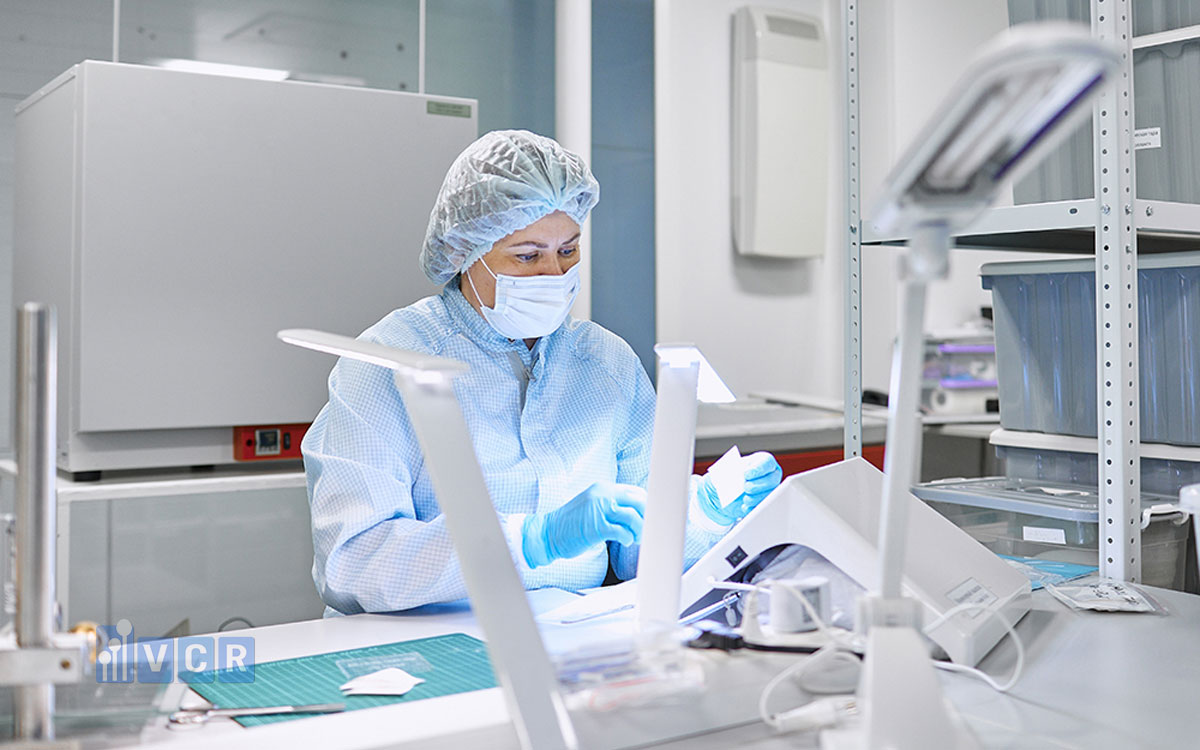
Personnel are usually the largest microbiological source inside a cleanroom. Skin, hair, breathing, garments, movement, and operator practices can release viable microorganisms into the air and onto surfaces.
Pharmaceutical cleanrooms therefore require a microbiological environmental-monitoring program. Methods may include active air sampling, settle plates, surface sampling, contact plates, swabs, and glove-print testing.
Active air sampling uses a device to draw a defined volume of air onto a microbiological growth medium.
Settle plates collect microorganisms that deposit from the air over a defined period. Surface sampling may use contact plates or swabs.
For aseptic operations, operator gloves may also be sampled after critical activities.
Pharmaceutical cleanrooms require formal cleaning and disinfection programs.
Cleaning agents and disinfectants must be selected according to surface compatibility, microbiological efficacy, required contact time, and residue risk.
Some facilities rotate disinfectants or periodically use a sporicidal agent to improve control.
Cleaning procedures must be documented, trained, supervised, and recorded.
Electronics cleanrooms generally do not treat microbiological contamination as the primary risk.
Their major concerns are particles, static electricity, ionic contamination, chemical residue, and AMC. This does not mean microorganisms are always irrelevant.
In optical manufacturing, displays, MEMS, sensors, and other sensitive processes, microorganisms or their metabolic residues may affect surfaces or product performance.
MEMS stands for Micro-Electro-Mechanical Systems.
Electronics cleanrooms also require scheduled cleaning, but the objective is usually to remove particles, chemical residues, fibers, and surface contaminants.
Cleaning chemicals should not leave ionic residue, release particles, generate static charge, or create AMC.
In pharmaceutical facilities, cleaning emphasizes microbiological reduction and product-safety assurance.
In electronics facilities, cleaning emphasizes particle removal, surface compatibility, ESD control, and low molecular emission.
6. Differences in HVAC System Design
HVAC stands for Heating, Ventilation and Air Conditioning. In pharmaceutical cleanrooms, HVAC controls temperature, humidity, cleanliness classification, pressure differentials, airflow direction, and cross-contamination risk.
It also supports microbiological control by supplying filtered air and maintaining stable environmental conditions.
In electronics cleanrooms, HVAC places stronger emphasis on very small particle control, temperature stability, humidity stability, high equipment heat loads, ESD conditions, and continuous air recirculation.
Pharmaceutical cleanrooms commonly use AHUs serving individual zones or groups of rooms through supply, return, and exhaust ductwork. Large electronics cleanrooms may use a combination of a fresh-air AHU and a ceiling FFU recirculation system.
An FFU draws air from a ceiling plenum, passes it through the filter, and supplies clean air downward into the production space. The air may then pass through a raised floor or low-level return path and recirculate back to the ceiling plenum.
This configuration provides high recirculation airflow, uniform distribution, and flexible zoning.
Pharmaceutical cleanrooms often use lower air-change rates than advanced semiconductor facilities, although the airflow must still satisfy particle-control, heat-load, humidity, exhaust-replacement, and pressure requirements.
Electronics cleanrooms may have extremely high heat loads due to process tools, measurement systems, photolithography equipment, computers, and supporting utilities.
The HVAC system must remove this heat without creating temperature fluctuations that affect process accuracy.
Fresh-air ratios may also differ. Pharmaceutical cleanrooms require fresh air for personnel ventilation, pressure control, and exhaust replacement. Certain active pharmaceutical, solvent, or hazardous-material areas may require 100% fresh air and total exhaust.
Electronics cleanrooms often use very high recirculation rates to reduce energy consumption.
Fresh air is normally introduced only to meet occupancy, pressure, and exhaust requirements.
The correct configuration should not be selected solely from the industry name.
It must be based on cleanliness class, process heat load, humidity load, product risk, exhaust demand, contamination type, and operating strategy.
7. Comparison of Pressure Differentials and Airflow Direction
Pressure differentials control the movement of air between adjacent areas. Air normally flows from a higher-pressure room toward a lower-pressure room.
In pharmaceutical cleanrooms, the pressure strategy can be complex because it must balance product protection and operator protection.
A room containing a product that must be protected from external contamination is usually maintained at positive pressure relative to adjacent areas.
A room handling hazardous powders, potent active ingredients, allergens, or toxic materials may need to operate under negative pressure to prevent contaminants from escaping.
Where both product protection and containment are required, the design may use an airlock, pressure sink, pressure bubble, isolating device, or local airflow system.
Containment means preventing hazardous material from spreading outside the designated control zone.
Electronics cleanrooms usually prioritize positive pressure. The objective is to prevent particles from corridors, technical spaces, ceiling voids, or less clean areas from entering the production space.
The pressure cascade is commonly arranged from the cleanest area toward less-clean support areas. However, the selected pressure values must consider room airtightness, door-opening frequency, leakage paths, and operational needs.
Door opening is a common cause of pressure instability. If an airlock is not designed properly or two doors open at the same time, the intended airflow direction may be temporarily lost.
An interlock system prevents selected doors from opening simultaneously.
However, door interlocking cannot replace correct airflow calculations, room sealing, and pressure balancing.
Differential pressure gauges are commonly installed at important rooms to allow operators to check conditions locally.
Differential pressure transmitters with a 4-20 mA output may be connected to a BMS.
BMS stands for Building Management System.
It can record pressure data, generate alarms, display trends, and support maintenance analysis.
In pharmaceutical cleanrooms, pressure data may form part of quality documentation and GMP audit evidence.
Data retention, access control, alarm acknowledgement, and change management may therefore require stricter control.
In electronics cleanrooms, pressure monitoring is also important, but the primary purpose is normally to maintain product protection and stable airflow.
8. Differences in Temperature, Humidity, and ESD Control
Temperature and humidity affect both pharmaceutical and electronics cleanrooms, but the priorities and acceptable tolerances may differ.
In pharmaceutical cleanrooms, temperature is determined according to product stability, process conditions, equipment heat loads, and operator comfort.
Some raw materials and pharmaceutical products may soften, degrade, crystallize, or lose stability when temperature exceeds specified limits.
Humidity is particularly important for hygroscopic materials, pharmaceutical powders, effervescent products, tablets, capsules, and moisture-sensitive formulations.
High humidity may cause agglomeration, poor flowability, reduced stability, microbiological growth, or packaging problems.
Humidity that is too low may increase static electricity and make powder handling, weighing, and transfer more difficult.
Electronics cleanrooms may require very narrow temperature tolerances. Photolithography tools, precision measuring systems, alignment equipment, and advanced manufacturing processes may be affected by thermal expansion.
A small temperature change can alter material dimensions, alignment accuracy, measurement stability, or equipment performance.
Humidity in electronics cleanrooms is controlled to balance ESD reduction and product protection. Low humidity increases the risk of static-charge accumulation. High humidity may promote corrosion, condensation, material degradation, or process instability.
ESD is a major electronics-cleanroom requirement. Humidity alone is not sufficient to control electrostatic risk. An integrated ESD system is normally required.
Conductive or static-dissipative flooring provides a controlled path for electrical charge to move to ground.
ESD garments reduce charge accumulation on the operator. ESD footwear, wrist straps, gloves, workstations, carts, and tools may also be connected to the grounding system.
An ionizer generates positive and negative ions to neutralize electrical charge on insulating surfaces or objects that cannot be grounded directly.
Pharmaceutical cleanrooms may also require ESD control in specific situations.
Fine powders, flammable solvents, and combustible atmospheres require electrostatic-risk assessment.
However, the ESD program in pharmaceutical facilities is usually less comprehensive than in semiconductor and electronics manufacturing.
Electronics facilities may routinely test floor resistance, footwear performance, personnel grounding, wrist straps, ionizer balance, and charge-decay time.
9. Differences in HEPA, ULPA, and Air Distribution Systems
HEPA means High-Efficiency Particulate Air filtration. HEPA filters are widely used in both pharmaceutical and electronics cleanrooms.
ULPA stands for Ultra-Low Penetration Air filtration. ULPA filters provide higher efficiency for very small particles but generally create greater pressure drop than HEPA filters.
In pharmaceutical cleanrooms, HEPA H13 or H14 filters are commonly used in higher-classified areas. The filters may be installed inside AHUs, in terminal HEPA Boxes, or within unidirectional-airflow equipment.
Electronics cleanrooms with very high cleanliness requirements may use ULPA filters, especially in semiconductor, wafer, optical, and microelectronics production.
The decision between HEPA and ULPA should consider required cleanliness, critical particle size, airflow, energy consumption, fan capacity, filter life, and testing requirements.ULPA should not automatically be used in all rooms because the higher pressure drop may increase energy and maintenance costs without creating a meaningful process benefit.
Pharmaceutical cleanrooms commonly use terminal HEPA Boxes and low-level returns to produce turbulent mixing or directional airflow. In Grade A areas, LAF may be used to protect exposed products.
LAF stands for Laminar Air Flow, although unidirectional airflow is the more technically accurate term in many applications.
Electronics cleanrooms often use a dense ceiling grid of FFUs. The percentage of ceiling covered by filters can be very high, depending on the required ISO Class and production process.
Air flows downward from the ceiling, passes through the working zone, and returns through a raised floor or low-level return system. A raised floor provides a return-air path and space for cables, utilities, and equipment connections.
Unidirectional airflow moves in a relatively uniform direction and removes particles toward the return zone. Turbulent or non-unidirectional airflow relies more on dilution and removal.
Smoke testing is used to visualize airflow direction.
In pharmaceutical cleanrooms, the test often focuses on protecting exposed product and preventing contamination from operators or nearby equipment.
In electronics cleanrooms, the test may focus on particle sweeping, dead zones, recirculation, and the influence of large process equipment.
10. Differences in Finishing Materials and Cleanroom Construction
Cleanroom materials should have smooth surfaces, low particle generation, suitable durability, and compatibility with the controlled environment. However, pharmaceutical and electronics cleanrooms have different priorities.
Pharmaceutical cleanrooms require materials that are easy to clean, resistant to water, resistant to disinfectants, and capable of withstanding repeated sanitation.
Wall and ceiling panels may use powder-coated steel, HPL, stainless steel, or other cleanable surfaces, depending on the room. Joints must be sealed and designed to minimize dirt accumulation.
Wall-to-floor and wall-to-ceiling corners are often coved to reduce sharp corners and improve cleaning access.
Seamless epoxy flooring is commonly used because it is durable and easy to clean. Vinyl flooring may also be suitable if it provides sealed joints, chemical resistance, and cleanability.
Electronics cleanrooms require materials that generate very few particles, support ESD control, and have low outgassing. Low outgassing means the material releases very small quantities of volatile substances into the surrounding air.
Organic vapors, plasticizers, adhesives, sealants, insulation products, and coatings may create AMC and affect semiconductor processes. These materials must therefore be evaluated carefully.
Static-dissipative vinyl flooring or ESD raised-floor systems are commonly used in electronics cleanrooms. The flooring must provide a controlled electrical path without creating an electrical-safety risk.
Raised floors support underfloor air return, cable routing, process piping, and tool connections. However, the underfloor plenum must be cleaned and managed to prevent particle accumulation.
Raised floors are less common in pharmaceutical production areas because the hidden space can be difficult to clean and may create contamination risks.
Cleanroom doors in both industries require suitable airtightness. Pharmaceutical doors may prioritize disinfectant resistance, smooth surfaces, and cleanability. Electronics doors may require additional consideration of ESD performance and low molecular emission.
All penetrations for piping, cables, ducts, instruments, and process equipment must be properly sealed.
Even a small gap can disturb pressure control or allow uncontrolled particles to enter the room.
11. Differences in Cleanroom Equipment
Pharmaceutical and electronics cleanrooms use many types of equipment with similar names, but their technical configurations and functions may be different.
An Air Shower removes loose particles from garments before personnel enter a cleanroom.
In pharmaceutical facilities, Air Showers may be used in selected areas, but they do not replace gowning, hand hygiene, or contamination-control procedures. The Air Shower must be integrated into the personnel flow and pressure strategy.
In electronics facilities, Air Showers are widely used to reduce particles on ESD garments.
The unit may require static-dissipative flooring, low-outgassing materials, and an ionizer.
A Pass Box transfers materials between areas without requiring personnel to open a large access door.
- A Static Pass Box normally has no independent filtered-air circulation.
- A Dynamic Pass Box includes a fan and HEPA-filtered airflow.
In pharmaceutical cleanrooms, the Pass Box configuration depends on room grade, pressure differential, product exposure, and cross-contamination risk.
In electronics cleanrooms, Pass Boxes focus on particle control, ESD compatibility, packaging cleanliness, and component protection.
Carts, trays, and containers must also be compatible with the cleanroom and ESD program.
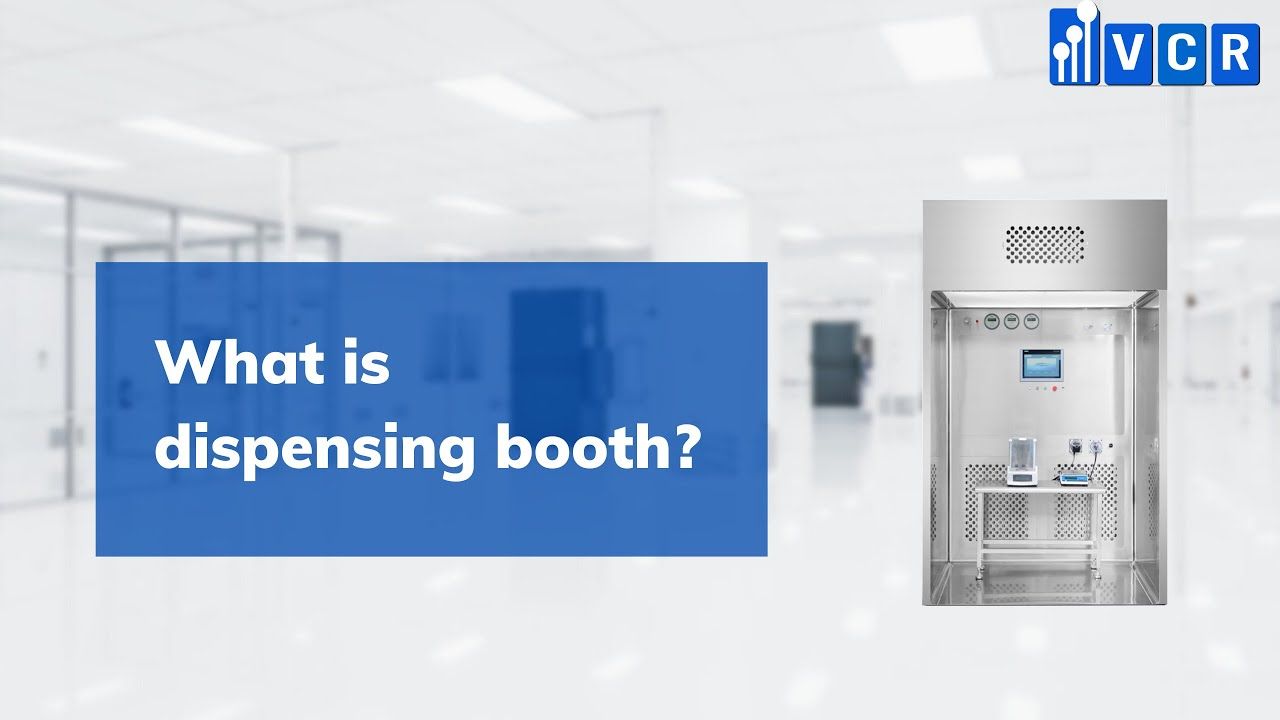
Dispensing Booths and Sampling Booths are widely used in pharmaceutical facilities to control powder during weighing, sampling, charging, and material handling.
Electronics facilities commonly use FFUs, Clean Booths, ionizers, ESD workbenches, and local HEPA or ULPA systems.
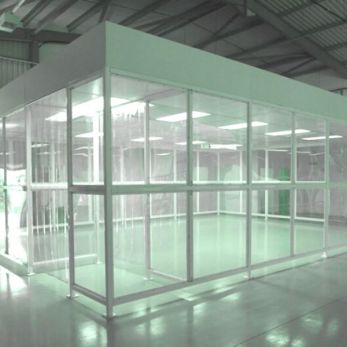
A Clean Booth is a local clean zone formed by a frame, curtains or panels, and one or more FFUs. It is useful when a high-cleanliness local area is required without constructing a complete cleanroom.
An ESD workbench provides a grounded, static-dissipative work surface for handling sensitive electronic components.
Vietnam Cleanroom Equipment supplies Air Showers, Pass Boxes, Dynamic Pass Boxes, FFUs, HEPA Boxes, LAF units, Dispensing Booths, differential pressure gauges, and interlock systems to cleanroom contractors and controlled-environment projects.
During equipment selection, Vietnam Cleanroom Equipment can coordinate with contractors to review cleanliness class, materials, airflow, pressure, ESD requirements, and technical connections.
The same equipment type should be configured differently for pharmaceutical and electronics applications.
12. Comparison of Garments, Personnel, and Operating Procedures
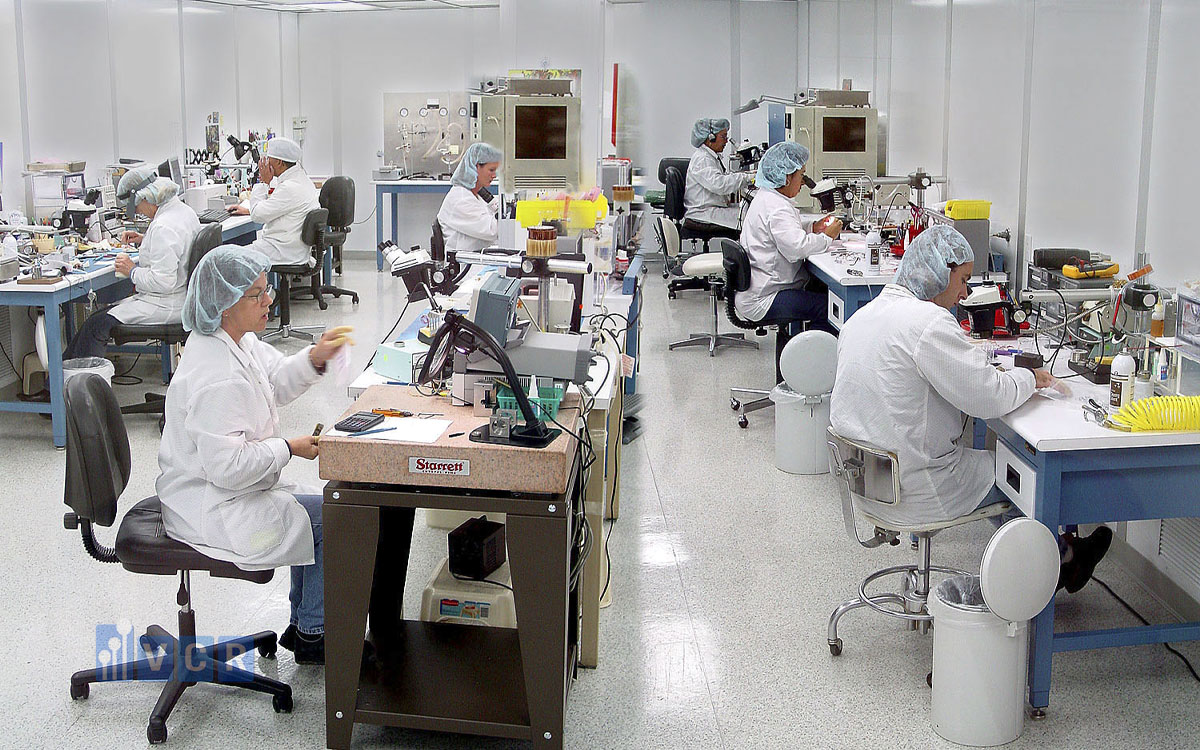
Personnel are one of the largest particle sources inside a cleanroom. Every movement can release skin flakes, fibers, particles, microorganisms, and electrostatic charge.
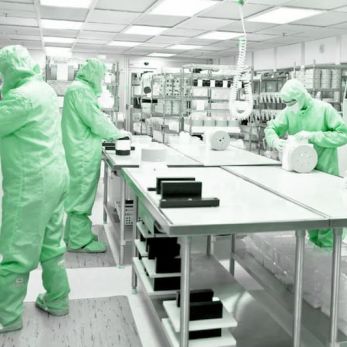
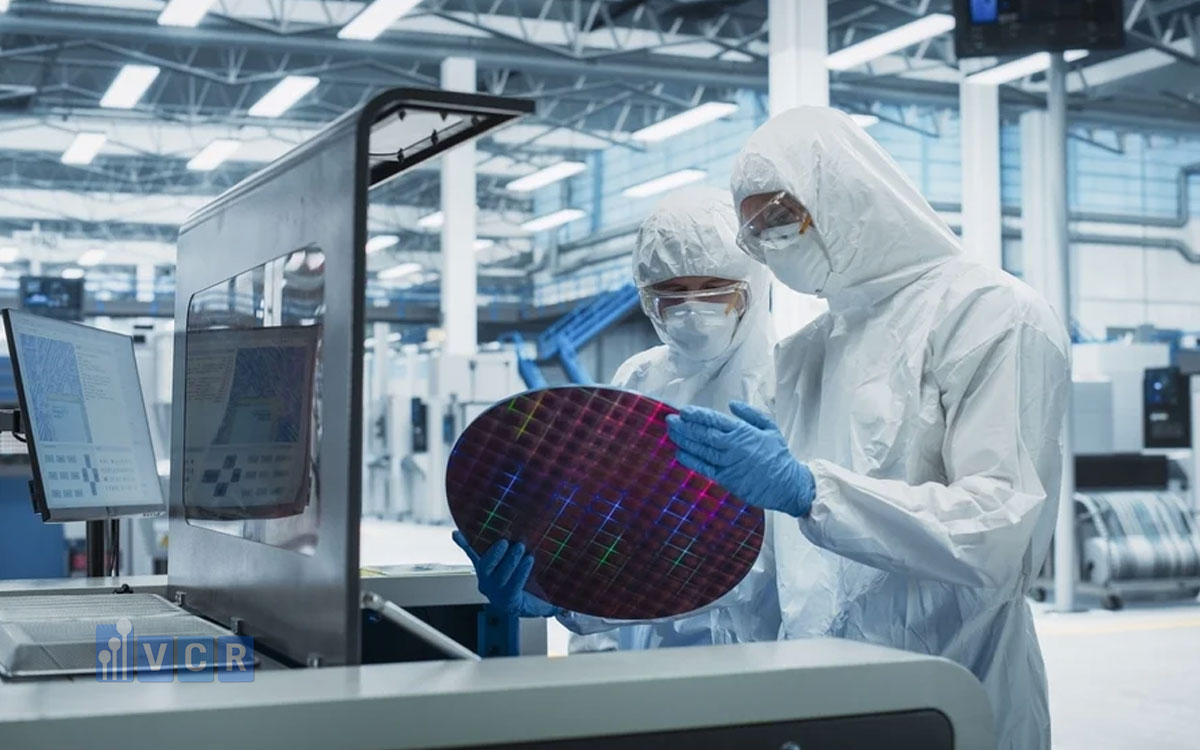
In pharmaceutical cleanrooms, garments are selected according to room grade, product risk, and sterility requirements. A sterile area may require a coverall, hood, face mask, goggles, gloves, and dedicated cleanroom footwear.
The garments limit particle release and create a barrier between the operator and the product. Gowning procedures are normally performed in a strict sequence. Operators may need to wash or disinfect their hands, sanitize gloves, and complete several dressing steps inside a personnel airlock.
In electronics cleanrooms, garments focus on particle control and electrostatic-charge management. ESD garments contain conductive fibers that help dissipate charge. ESD shoes, heel straps, wrist straps, and gloves may be required depending on the work activity. Personnel may need to pass a grounding or resistance test before entering production.
Pharmaceutical cleanrooms emphasize hygiene, aseptic technique, controlled behavior, and microbiological contamination prevention.
Electronics cleanrooms emphasize low-particle movement, ESD control, correct handling of components, and surface protection. Training is critical in both industries.
A cleanroom with excellent HVAC may still fail if personnel open doors incorrectly, move too quickly, bring unsuitable materials into the room, or ignore cleaning and gowning procedures.
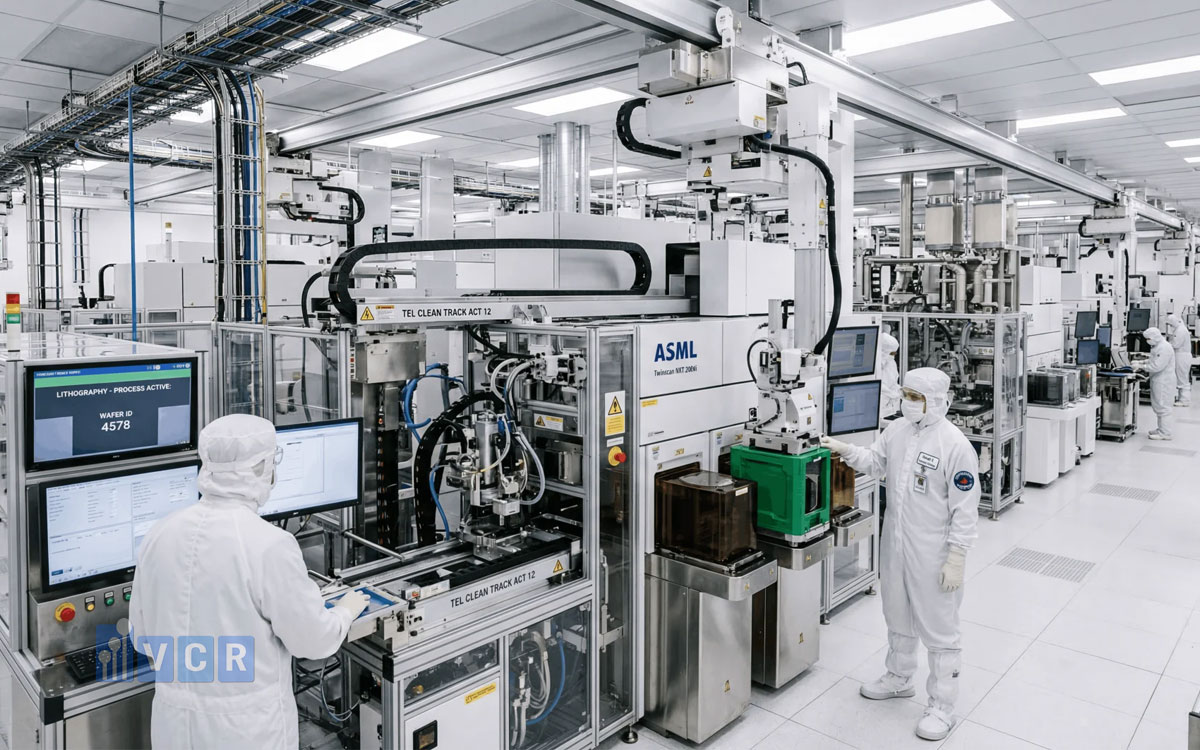
Automation is increasingly used to reduce human presence. Robots, closed systems, automated material handling, and isolators can reduce contamination sources. Automation also creates new requirements relating to maintenance, lubricants, moving-component particles, and compatibility with the cleanroom environment.
13. Comparison of Testing, Acceptance, and Qualification
Both pharmaceutical and electronics cleanrooms require testing after installation and during operation.
Common tests include particle counting, airflow measurement, air-velocity measurement, air-change-rate calculation, differential-pressure verification, temperature and humidity testing, HEPA-filter leak testing, and smoke visualization. A recovery test evaluates how quickly the room returns to the required particle concentration after a controlled contamination event.
Pharmaceutical cleanroom acceptance is commonly linked to IQ, OQ, and PQ.
- IQ confirms that equipment and systems have been installed according to approved drawings and specifications.
- OQ verifies controls, alarms, operating modes, and functional performance.
- PQ demonstrates that the cleanroom consistently achieves the required performance under actual or representative production conditions.
Pharmaceutical cleanrooms also require microbiological testing, environmental-monitoring plans, operator assessments, and documentation for GMP audits.
Electronics cleanrooms may require floor-resistance tests, body-voltage tests, charge-decay tests, ionizer-performance tests, AMC monitoring, vibration measurement, and temperature-stability analysis.
Semiconductor facilities may also evaluate airflow uniformity and extremely small particle sizes.
Acceptance criteria differ according to the process. A room that meets particle limits may still fail pharmaceutical microbiological requirements. A room that meets ISO Class may still fail electronics requirements for ESD, AMC, vibration, or thermal stability.
Test instruments must also be appropriate for the required measurement. Particle counters must detect the relevant particle sizes.
ESD instruments must have the correct measuring range and test method. The acceptance and qualification package should reflect the actual product and process risks rather than applying one generic test format to every cleanroom.
14. FAQ: Differences Between Pharmaceutical and Electronics Cleanrooms
- Which type requires a higher cleanliness level?
There is no universal answer. Advanced semiconductor cleanrooms may require extremely high ISO cleanliness to control very small particles. Sterile pharmaceutical cleanrooms may have less demanding ISO particle classes but stricter requirements for microorganisms, GMP, aseptic practices, cleaning, and contamination control.
- Do electronics cleanrooms need microbiological control?
Microbiological control is normally not the main priority in electronics cleanrooms. However, optical products, MEMS, display manufacturing, sensors, and sensitive surfaces may still be affected by microorganisms, organic films, or biological residues.
- Do pharmaceutical cleanrooms require ESD protection?
Some pharmaceutical cleanrooms do. Powder handling, flammable solvents, combustible dust, and electrostatically sensitive processes require an ESD risk assessment. However, the ESD program is normally less extensive than in semiconductor or electronics manufacturing.
- Do semiconductor cleanrooms use ULPA filters?
Yes. High-class semiconductor cleanrooms often use ULPA filters to control very small particles. The selection must consider required cleanliness, airflow, static pressure, energy consumption, testing, and filter-replacement cost.
- Can the same HVAC design be used for pharmaceutical and electronics cleanrooms?
It is generally not appropriate. Pharmaceutical cleanrooms focus on GMP, microbiological control, product protection, and cross-contamination. Electronics cleanrooms focus on small particles, ESD, AMC, equipment heat loads, and environmental stability.
- Why do electronics cleanrooms use many FFUs?
FFUs provide high recirculation airflow, uniform air distribution, and flexible local control. They are particularly suitable for semiconductor facilities that require high filter coverage and stable downward airflow across large production areas.
- How do the pressure strategies differ?
Electronics cleanrooms usually maintain positive pressure to prevent particle entry. Pharmaceutical cleanrooms may use either positive or negative pressure, depending on whether the objective is product protection, dust containment, hazardous-compound control, or operator protection.
- Can pharmaceutical cleanroom equipment be used in electronics cleanrooms?
It may be used if the configuration is adapted. An electronics Air Shower may require ESD flooring, an ionizer, and low-outgassing materials, while a pharmaceutical unit may prioritize cleanability and disinfectant resistance. Vietnam Cleanroom Equipment can support application-specific configuration.
- Which flooring is suitable for each type?
Pharmaceutical cleanrooms commonly use seamless epoxy or welded vinyl flooring that is easy to clean. Electronics cleanrooms often use static-dissipative vinyl or ESD raised flooring. The final selection depends on process, load, chemical exposure, cleaning, and grounding requirements.
- What should be considered when selecting an equipment supplier?
The supplier should understand drawings, HVAC interfaces, airflow, pressure, cleanliness class, materials, ESD, and documentation requirements. It should also be able to coordinate with cleanroom contractors and provide technical drawings, specifications, testing support, warranty, and after-sales service.
15. Conclusion
Pharmaceutical and electronics cleanrooms both control particles, temperature, humidity, room pressure, and airflow. However, they protect different products from different risks and should not use the same design solution without technical evaluation.
Pharmaceutical cleanrooms focus on GMP, microbiological contamination, cross-contamination, product safety, and operator protection.
Electronics cleanrooms focus on very small particles, ESD, AMC, vibration, temperature stability, humidity stability, and protection of wafers, chips, sensors, and electronic components.
These differences affect HVAC configuration, HEPA or ULPA filtration, FFU quantity, airflow distribution, flooring, materials, garments, monitoring systems, and cleanroom equipment.
Project owners should not select equipment only by product name or ISO Class.
The process, control objective, applicable standard, layout, pressure strategy, ESD requirement, and operating conditions must all be evaluated.
Vietnam Cleanroom Equipment supplies Air Showers, Pass Boxes, Dynamic Pass Boxes, FFUs, HEPA Boxes, LAF units, Dispensing Booths, Sampling Booths, differential pressure gauges, interlock systems, and other equipment for pharmaceutical, electronics, and semiconductor cleanrooms.
As a cleanroom equipment supplier supporting cleanroom contractors, Vietnam Cleanroom Equipment can assist with drawing review, equipment sizing, material selection, filter configuration, airflow requirements, pressure interfaces, and ESD-related specifications.
Contact Vietnam Cleanroom Equipment for technical support in selecting equipment configurations and specifications suitable for pharmaceutical cleanrooms, electronics cleanrooms, semiconductor facilities, and other controlled manufacturing environments.
Fast Delivery - On-Time Commitment - Dedicated Support
Hotline: 090.123.9008 - Call/Zalo 24/7
Email: [email protected]
Website: vietnamcleanroom.com
- Northern Office: 9/675 Lac Long Quan Street, Tay Ho Ward, Hanoi
- Southern Office: 15/42 Phan Huy Ich Street, Hiep Binh Ward, Ho Chi Minh City