




What is the minimum cost of investing in a GMP clean room?
The cost of investing in a GMP cleanroom includes many more items than a normal construction project — from design, panel construction, HVAC system to GMP inspection, training and assessment. Understanding each item helps businesses accurately budget and avoid unexpected expenses when putting the cleanroom into operation.
- 1. What is the investment cost for a GMP cleanroom?
- 2. Minimum investment cost for GMP cleanroom (estimated per m²)
- 3. Factors affecting GMP cleanroom investment costs
- 4. When should you consider a minimum investment?
- 5. Cost-optimization strategies for new cleanroom investors
- 6. Frequently Asked Questions
- 7. Need help estimating your GMP cleanroom investment?
1. What is the investment cost for a GMP cleanroom?
The investment cost for a GMP cleanroom refers to the total budget that a business must allocate to design, construct, complete, and operate a manufacturing area that meets GMP (Good Manufacturing Practice) standards-mandatory in industries such as pharmaceuticals, cosmetics, and functional foods.
This cost goes beyond basic construction and includes various technical and compliance-related items to ensure a controlled, standardized, and contaminant-free production environment.
Key cost components in GMP cleanroom investment
|
Category |
Description |
|
Design |
Architectural drawings, flow diagrams for personnel and materials, HVAC system, pressure control - all according to GMP standards |
|
Construction |
Installation of panels, doors, vinyl flooring, cleanroom lighting, ceilings, airlocks, pass boxes |
|
Technical systems |
HVAC, air filtration, interlock systems, BMS, FFUs - all ensuring ISO 14644-compliant cleanliness levels |
|
Auxiliary equipment |
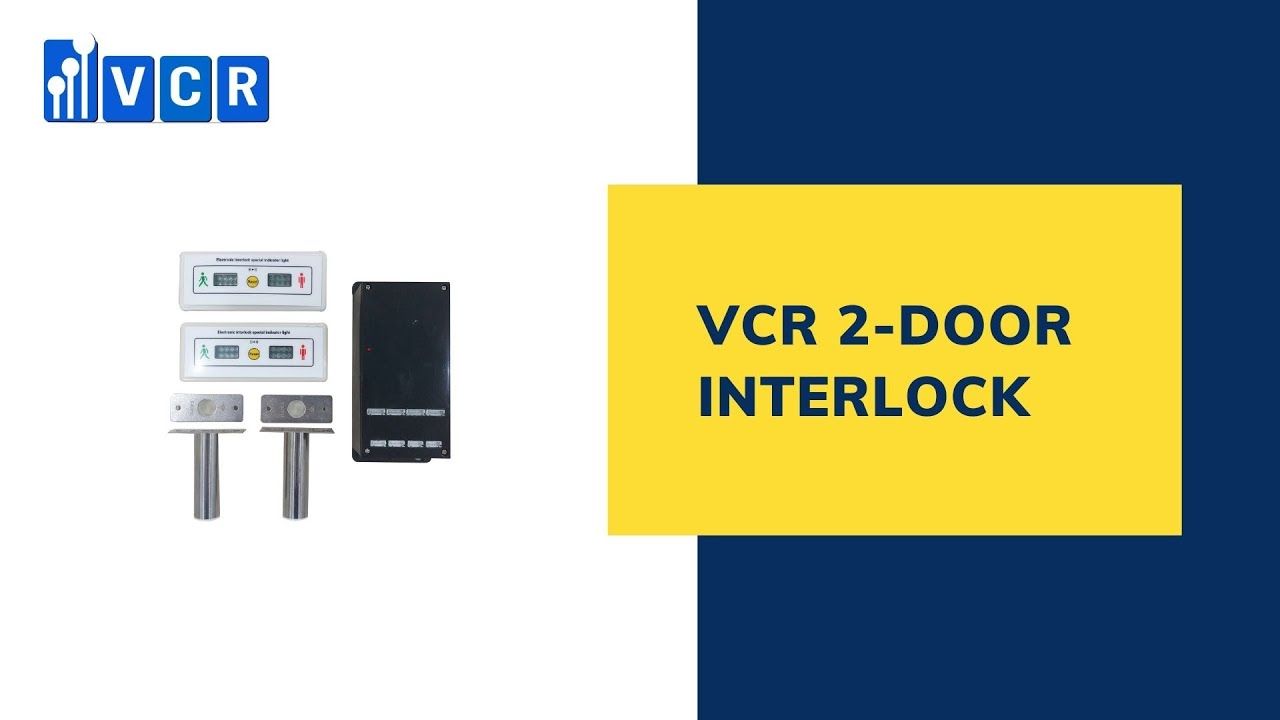
Differential pressure gauges, pass boxes, air showers, storage cabinets, stainless steel work tables |
|
Operation & validation |
Performance testing, cleanliness level measurements, pressure testing, HVAC verification, equipment qualification |
|
Training & documentation |
GMP training for staff, creation of SOPs, cleanroom operation procedures |
Commonly overlooked cost items
Many investors only account for construction and equipment purchases, overlooking the following expenses which significantly affect the overall budget:
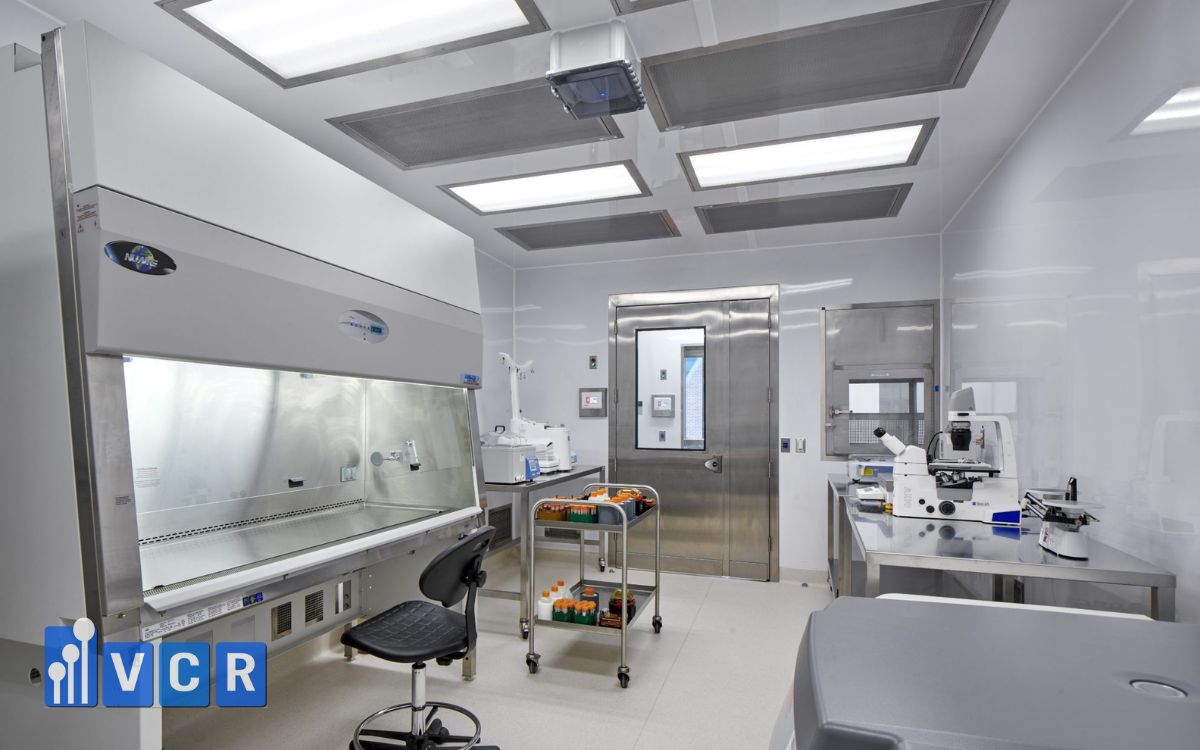
- Performance qualification (PQ) - mandatory for GMP certification
- GMP training for personnel
- System calibration, pressure balancing, airflow adjustment
- Initial maintenance or extended warranty contracts
- Consulting fees for preparing GMP audit documentation
Underestimating these can cause sudden budget overruns during commissioning or validation, affecting project timelines and certification success.
2. Minimum investment cost for GMP cleanroom (estimated per m²)
The cost of building a GMP cleanroom depends on several factors such as cleanliness class, industry type, floor area, level of automation, and applicable standards (GMP EU, WHO-GMP, etc.). However, for a small-scale project with basic requirements (ISO 8 - WHO-GMP), the estimated minimum investment ranges from 7 to 10 million VND/m² for areas ≥ 100 m².
Estimated cost by category
|
Category |
Estimated Minimum Cost |
Notes |
|
Cleanroom design |
150,000 - 300,000 VND/m² |
Includes layout, personnel/material flow, HVAC, construction drawings |
|
Construction materials |
2 - 3 million VND/m² |
ISO 8 level or higher; costs rise with imported materials |
|
HVAC system |
3 - 5 million VND/m² |
Includes AHUs, chillers, ducting, filters; usually the largest cost item |
|
Auxiliary equipment |
1 - 2 million VND/m² |
Pass boxes, FFUs, pressure gauges, cleanroom lights, interlocks |
|
Installation & commissioning |
500,000 - 1 million VND/m² |
Includes labor, adjustment, initial performance checks |
Total minimum investment cost: 7 - 10 million VND/m²
This is a feasible budget for new businesses, especially in pharmaceuticals, functional foods, or handmade cosmetics sectors.
Note: These prices are for reference only. Actual costs may vary based on:
- Contractor experience and origin of materials
- Certification requirements (e.g., GMP EU vs. WHO-GMP)
- Project location and logistics costs
- Needs for system integration or BMS monitoring
3. Factors affecting GMP cleanroom investment costs
Cleanroom construction costs are not always fixed per square meter. Several technical and strategic factors influence the total investment, especially when aiming for high standards such as EU-GMP or low ISO classes.
Industry of application
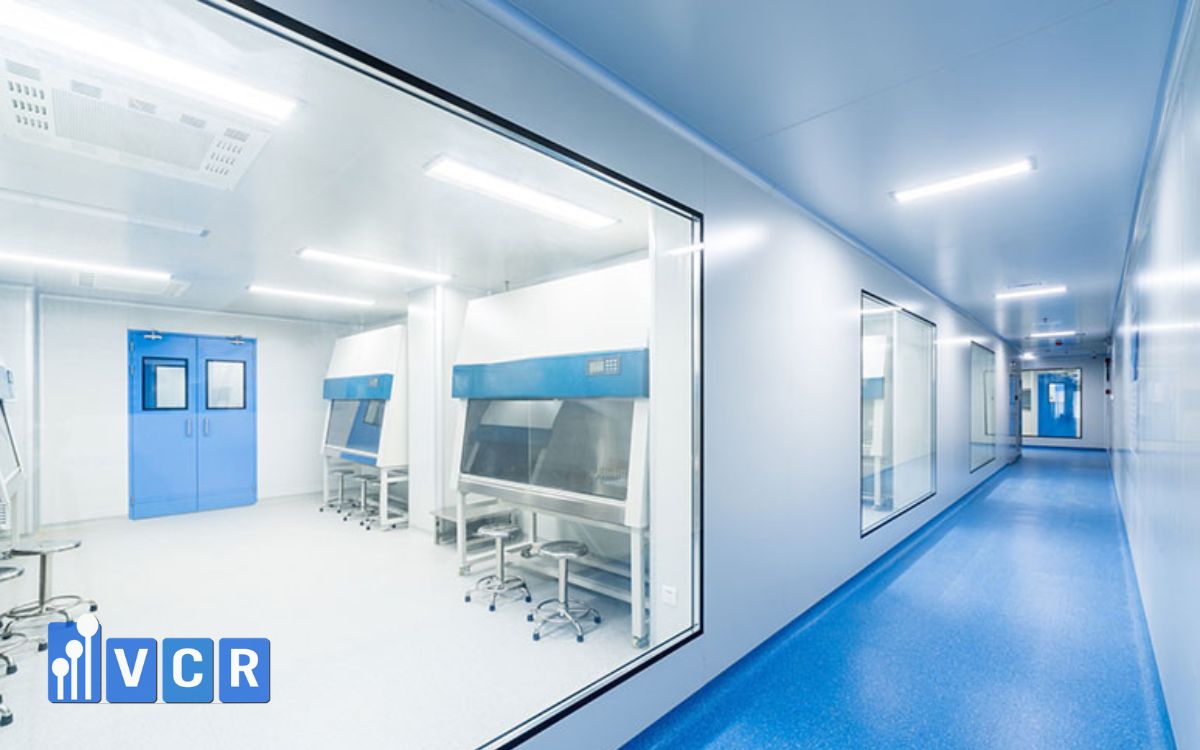
Cleanroom construction for pharmaceuticals typically costs more than for food or cosmetics due to:
- Stricter requirements for cleanliness, pressure, and microbial control
- More complex qualification and validation procedures
- Additional zones like weighing rooms, airlocks, sample storage rooms
Example: A GMP EU cleanroom for pharmaceuticals can cost 1.5 to 2 times more than a food-grade cleanroom of the same size.
Required cleanliness class (ISO 5, 7, 8…)
Lower ISO classes (e.g., ISO 5 or 6) require:
- More advanced filtration systems (HEPA/ULPA multi-stage)
- Higher airflow rates and air changes per hour
- Additional equipment like FFUs, chillers, and pressure control systems
Higher cleanliness = higher equipment and long-term operational costs.
Level of automation and control systems
Features such as automatic interlocks, real-time pressure monitoring, and BMS (Building Management System) significantly increase costs but improve operational efficiency and GMP audit readiness.
- Small-scale facilities may use semi-automated solutions
- EU-GMP or PIC/S facilities often require full monitoring systems
Cleanroom area
Smaller cleanrooms often have a higher per-m² cost. Reasons include:
- Fixed costs (training, validation, design) remain the same regardless of size
- Smaller spaces are harder to install and optimize
- Difficult to achieve efficient personnel/material flow, requiring custom solutions
Contractor experience and GMP expertise
A contractor with proven GMP experience can:
- Avoid costly design errors
- Plan validation and documentation (SOPs) from the outset
- Prevent delays or rework due to audit failure
While such contractors may charge 5-10% more, they often help reduce total project cost by avoiding costly mistakes.
See more: How much does it cost to regularly maintain an air filtration system?
4. When should you consider a minimum investment?
Not every project requires a high-standard cleanroom and a large budget from the outset. In many cases, a minimum investment of 7-10 million VND/m² can still meet technical requirements if the right scope and solutions are selected.
Below are three typical scenarios where a simplified investment is advisable:
Pilot-Scale Facilities
- Used for testing production processes, standardizing formulations, and determining line capacity before scaling up.
- Basic cleanroom requirements, primarily for controlling dust and general microorganisms.
- No need for complex BMS systems; Cleanbooths or modular cleanrooms can help reduce costs.
This is an ideal solution for R&D projects or companies in the process of applying for their first GMP certification.
Small and Medium Enterprises - Startup Phase
- For startups in fields like handmade cosmetics, functional foods, or traditional medicine, large initial investments may create financial pressure.
- ISO 8 cleanrooms (WHO-GMP) are a reasonable choice to meet production and basic inspection requirements without exceeding the budget.
Cost optimization can be achieved by:
- Using locally made certified equipment
- Prioritizing energy-efficient Pass Boxes, FFUs, and cleanroom lighting
- Partnering with experienced GMP contractors to avoid unexpected costs
Meeting Only Basic ISO 8 / WHO-GMP Requirements
- Suitable for products with lower microbial control needs such as soft capsules, dietary supplements, or creams.
- Does not require ISO 5-6 levels like injectable drugs or antibiotics.
A basic investment still meets GMP licensing requirements if proper procedures and validated SOPs are followed.
If you’re in the early stages of business, market testing, or don’t need large-scale production yet, minimum investment helps reduce financial pressure while still allowing you to operate legally and control product quality.
5. Cost-optimization strategies for new cleanroom investors
For companies building a GMP cleanroom for the first time, controlling the budget is essential. Without prior experience, it's easy to overrun costs due to design errors, wrong equipment choices, or unexpected validation expenses.
Here are three proven strategies that many first-time investors have successfully applied:
Use certified local equipment instead of imports
- Many cleanroom devices made in Vietnam now meet ISO/GMP standards and offer comparable performance to imports at 30-50% lower costs.
- Common locally available devices: Pass Boxes, FFUs, differential pressure gauges, LED cleanroom lights, interlocks.
- Easier maintenance, faster part replacements, no import delays or foreign exchange risks.
Note: Choose local manufacturers with proper certifications and technical documentation to ensure GMP audit readiness.
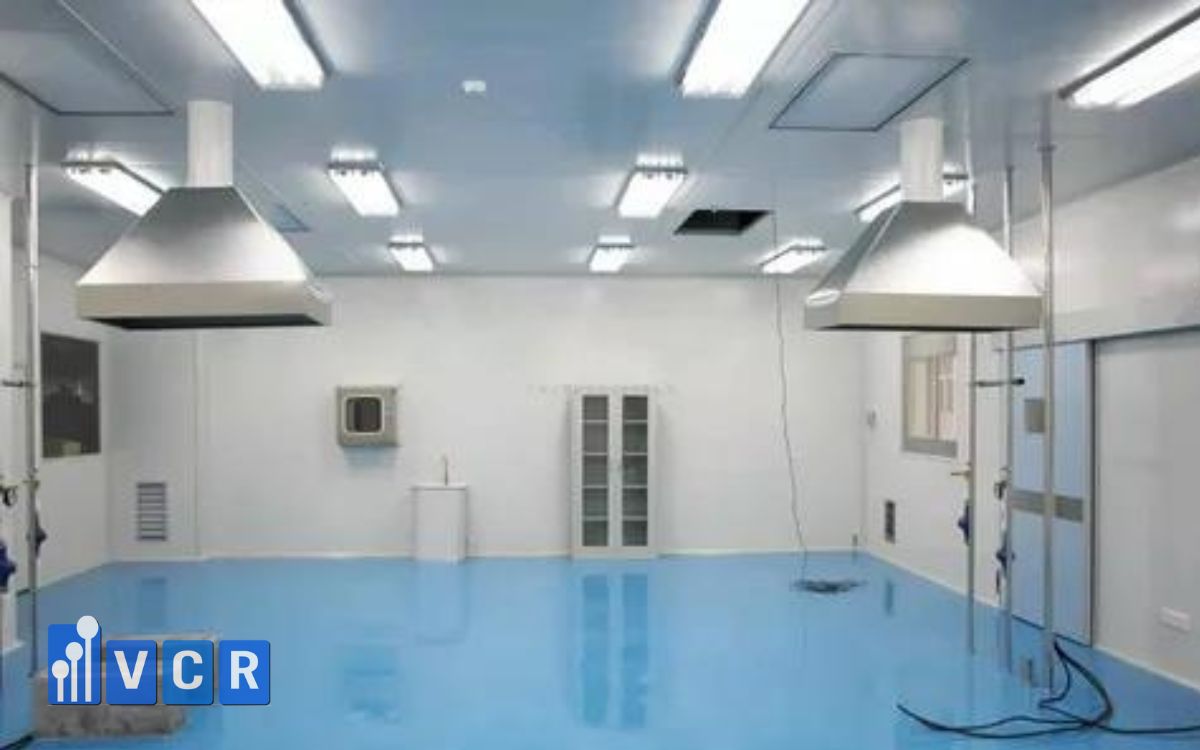
Prioritize modular systems: Cleanbooths and standalone FFUs
- For small or scalable zones, Cleanbooths (independent cleanroom units) are a cost-effective solution.
- Combined with ceiling-mounted FFUs, you can achieve ISO 7-8 without investing in a full HVAC system.
- Quick installation, easy to dismantle or relocate when upgrading facilities.
Ideal for small functional areas like filling rooms, packaging zones, or microbiological testing rooms.
Work with full-package design & build contractors
An experienced GMP contractor can help:
- Plan a detailed budget by item
- Estimate validation, training, and documentation costs from the start
- Avoid design errors that lead to future expenses (airflow, pressure, equipment layout)
Additionally, you can benefit from bundled package offers instead of purchasing each device separately, which can result in spec mismatches.
Don’t choose the “cheapest” provider-choose one that understands GMP and has experience in your specific industry (pharmaceuticals, cosmetics, food, etc.).
6. Frequently Asked Questions
Is it possible to build a GMP cleanroom under 500 million VND?
Yes, if the cleanroom is small (under 50 m²) and only follows basic standards like ISO 8 or WHO-GMP. Cost-saving strategies include using Cleanbooths, local equipment, and semi-automated systems.
Do pharmaceutical and food cleanrooms have different costs?
Yes. Pharmaceutical cleanrooms are usually more expensive due to higher cleanliness requirements, more advanced filtration and monitoring systems, and stricter validation protocols. Food or cosmetics cleanrooms can follow lighter standards like ISO 8 or HACCP.
How can I accurately estimate the cost for my facility?
You need to prepare:
- A layout drawing of your factory
- Technical requirements and targeted GMP level
Then contact a cleanroom design and construction specialist to receive a preliminary quote and tailored consultation. Each industry will require a unique setup and budget.
7. Need help estimating your GMP cleanroom investment?
Are you planning to build a GMP cleanroom for a pharmaceutical, food, or cosmetics facility?
VCR, a specialist in GMP EU/WHO-compliant cleanroom design and construction with over 10 years of experience, can help you:
- Estimate a suitable investment budget for your industry
- Recommend cost-saving strategies for new businesses
- Provide a free preliminary quote and layout sample
Contact us now for one-on-one consultation with a GMP expert:
Let me know if you'd like this translated content exported as a file or formatted for web publishing.
Hotline: 090.123.9008
Email: [email protected]
Website: https://vietnamcleanroom.com/
Diep VCR